Quick answer: Wicker is a weaving technique rather than a material, so a wicker basket may be willow, rattan, seagrass or synthetic. Judge it on the tightness of the weave and how the rim is finished, keep it in dry rooms, and never soak it.
I grew up around basket-weavers in Cornwall, and the first thing worth clearing up is that wicker is not a plant.
Wicker is a weave, not a material
This causes more confusion than anything else in the category.
Wicker describes the technique - weaving pliable strands over a frame. The strand itself can be willow, rattan, cane, seagrass, water hyacinth, bamboo, paper rope or a synthetic resin fibre.
So "wicker basket" tells you how it was made and nothing about what it is made from, which is why two wicker baskets can behave completely differently. Always look for the actual material in the description - the materials guide covers each one.
What the common ones are like
Willow. The traditional English basket material. Strong, springy, and it holds a rigid shape well. Usually the most durable of the natural options.
Rattan. A climbing palm, very strong for its weight, and the material behind most "cane" furniture. Holds shape excellently.
Seagrass. Smoother and softer in colour, with a slight sheen. Ages to a warm straw tone - see the seagrass range.
Water hyacinth. Chunkier weave, softer strand, often used for larger floor baskets.
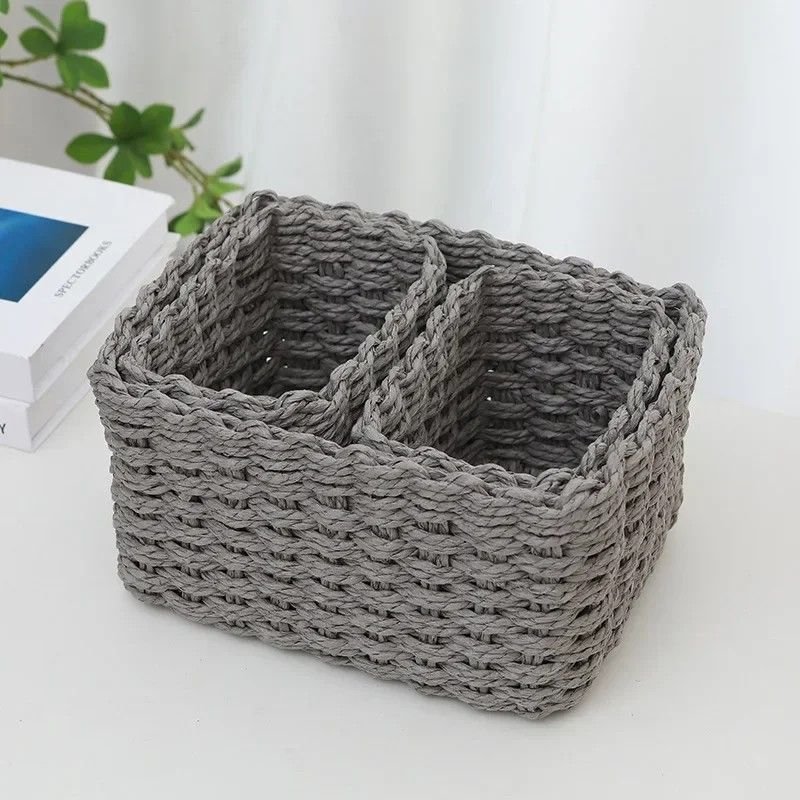
Paper rope. Twisted paper over a wire frame. Lighter and cheaper than it looks, and much less tolerant of damp.
Synthetic resin. Woven plastic. Unaffected by water, so it is the one that suits bathrooms and outdoors.
How to judge quality in ten seconds
- Squeeze the sides. A good basket flexes slightly and springs back. A poor one creaks and stays deformed.
- Look at the rim. This is where baskets fail, because it is what hands lift. A properly bound or wrapped rim lasts; a rim with strand ends simply tucked in will fray.
- Check the base. A woven base sags under weight over time. A rigid or framed base does not.
- Look at the weave tightness. Tight, even weave means more material and more work. Loose gappy weave is cheaper and weaker.
- Feel for loose ends. Sharp strand ends catch on clothes and are the first sign of a rushed finish.
Where wicker belongs
Living rooms. Its natural home. Large open baskets for throws, cushions and toys - the living room guide covers sizing.
Bedrooms and wardrobes. Dry, stable conditions and light contents.
Hallways. For shoes, gloves and the things that pile up by a door.
Shelving. Where the texture breaks up a run of books - the shelf guide covers fitting them.
Where it does not belong: bathrooms that steam up, garages, anywhere it will get wet, and under heavy loads like books or tools.
Care, which is mostly restraint
Natural wicker is plant material and it wants to stay dry.
Dust it with a dry brush or a vacuum brush attachment. Weave collects dust in the gaps and it shows.
Spot-clean with a barely damp cloth, then let it dry fully. Never soak it, never put it under a tap, and never put it in a washing machine.
Keep it out of direct sun, which fades the colour and eventually makes the strands brittle.
Do not store it damp. That is how a basket starts to smell, and airing it afterwards is far harder than not doing it.
If a basket gets genuinely dry and creaky in a heated room over winter, a very light mist of water and a slow dry can help it recover a little flexibility. Do that sparingly.
Lining it
Worth doing on anything holding clothes or bedding.
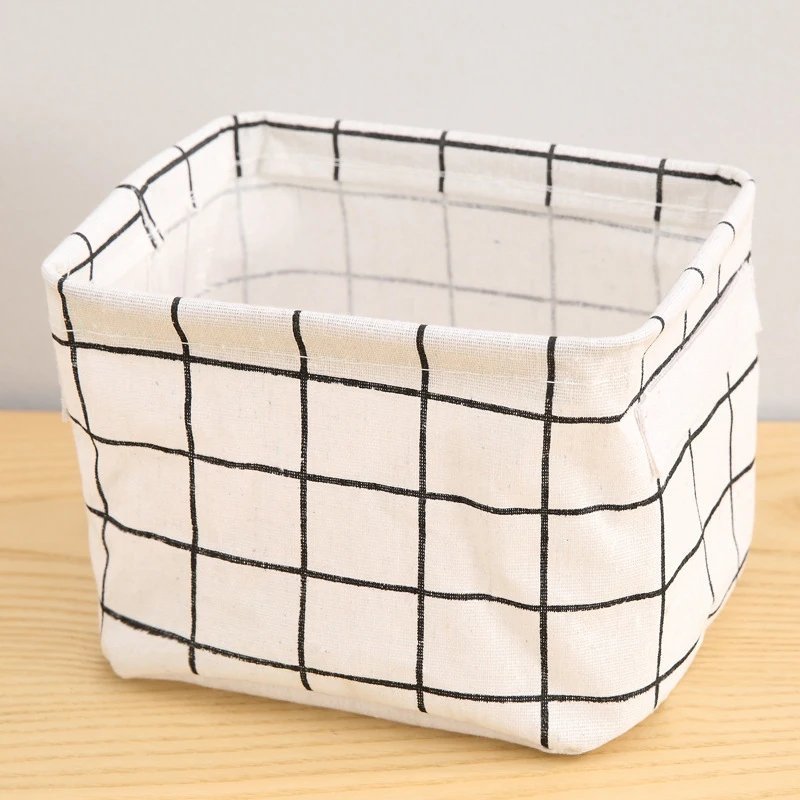
A fabric liner stops loose strand ends catching on knitwear, makes the basket easier to empty, and can be washed. It also softens the look, which some people want and some do not.
Honest note on our range
We do not currently stock traditional willow or rattan wicker. What we carry in this space is woven fabric and seagrass, which give a similar look with different behaviour - the fabric and woven range and a seagrass shelf basket are the closest to it.
If you specifically want willow, buy it from a basket maker. It is worth the money and it will outlast anything else here.
Sizes and shapes, and what suits what
Woven baskets come in a few recurring shapes, and each has a natural job.
Tall and round - umbrellas, rolled blankets, wrapping paper. Poor for anything you need to find at the bottom.
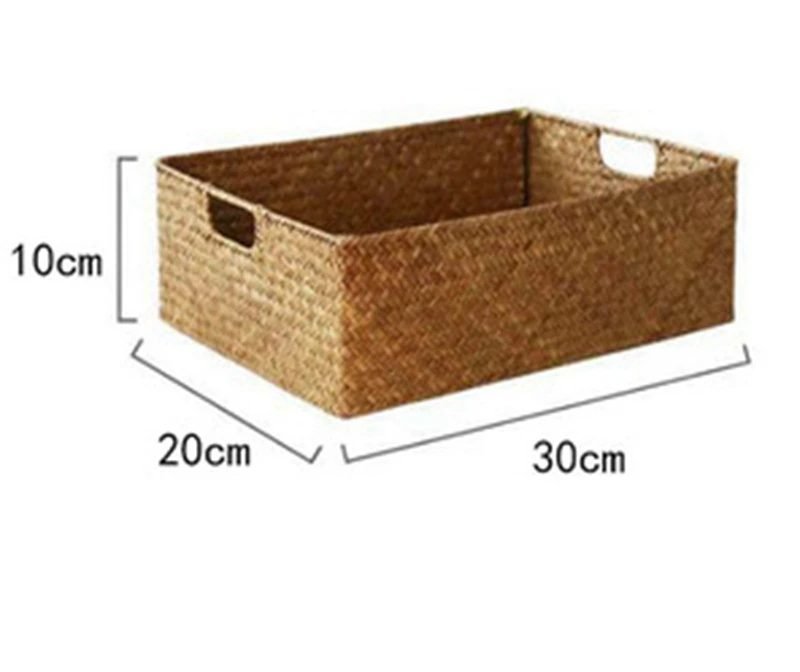
Low and wide - the most useful shape in a living room, because you can see everything without digging.
Rectangular - the only shape that uses a shelf efficiently, since round baskets waste the corners.
Belly-shaped - looks generous and holds less than it appears, because the opening is narrower than the body.
Buying secondhand
Natural baskets are one of the few things genuinely worth buying used, and charity shops usually have a shelf of them.
Check three things: squeeze the sides for spring, run a hand round the rim for loose ends, and smell it. A musty basket has been stored damp and that is very difficult to reverse - everything else can be cleaned up with a brush.
Old willow in particular is often better made than anything at a similar price new.
Browse fabric and woven baskets, seagrass and the full range, with more in the complete guide.
The short version
- Wicker is a weaving technique, not a material - it may be willow, rattan, seagrass or plastic.
- The rim is where baskets fail; a bound or wrapped rim lasts, tucked strand ends fray.
- Squeeze the sides: good wicker flexes and springs back, poor wicker stays deformed.
- Keep it in dry rooms, dust it, spot-clean it, and never soak it or store it damp.
- Line anything holding knitwear, so loose strand ends cannot catch.
Frequently asked questions
What is wicker actually made of?
Wicker is a weaving technique rather than a material, so a wicker basket may be willow, rattan, cane, seagrass, water hyacinth, bamboo, paper rope or synthetic resin. Always check the description for the actual material.
How can I tell a good wicker basket from a cheap one?
Squeeze the sides - a good basket flexes and springs back while a poor one creaks and stays deformed. Then check the rim, which is where baskets fail: a bound or wrapped rim lasts, while tucked-in strand ends fray.
Can wicker baskets go in a bathroom?
Only if the bathroom airs properly, and even then expect a shorter life. Natural wicker is plant material and constant steam makes it musty and brittle. Synthetic resin wicker is unaffected by water and is the safer choice.
How do I clean a wicker basket?
Dust it with a dry brush or a vacuum brush attachment, since the weave collects dust in the gaps. Spot-clean marks with a barely damp cloth and let it dry fully. Never soak it, hose it or put it in a washing machine.
Should I line a wicker basket?
Worth doing for anything holding clothes or bedding. A fabric liner stops loose strand ends catching on knitwear, makes the basket easier to empty, and can be washed when it needs it.