Quick answer: To choose large storage baskets, measure the shelf or gap first, then take 2cm off each side so the basket slides in cleanly. Match the shape to the job: tall and deep for bedding, wide with a low front for toys, sturdy handles for heavy loads. Keep it a third to three-quarters full.
Large storage baskets are the ones people buy wrong more than any other. It goes one of two ways. Either they fall for something that looks generous in a photo and turns out to eat half a shelf, or they play it safe, go too small, and end up with three little baskets doing the job one proper basket should have done on its own. Getting the size right first time saves money, saves the faff of returns, and saves that quiet, nagging frustration of a basket that never quite fits its gap.
After seven years hauling other people's spare rooms and lofts back into order, I can promise you the fix is not guesswork or luck. It is a tape measure and five minutes. Here is exactly how I size up large storage baskets so they land right the first time, not the third.
Measure the gap before you measure the basket
The classic mistake is shopping by the basket instead of by the space it has to live in. Flip that. Start with the gap.
- Measure width, depth and height of the shelf, cupboard or floor space it is going into.
- Take off 2cm on each side so the basket slides in and out without scraping paint off the sides.
- Check the opening, not just the space. A basket that fits the shelf but will not clear the cupboard door is no use to anyone, and I have seen it happen more than once.
Write those three numbers down before you look at a single product. Everything from here is easier once you have them in your hand.
Match the size to the job
"Large" is not one measurement. A basket for spare duvets and a basket for living-room throws are both large and completely different animals. So think first about what is actually going in.
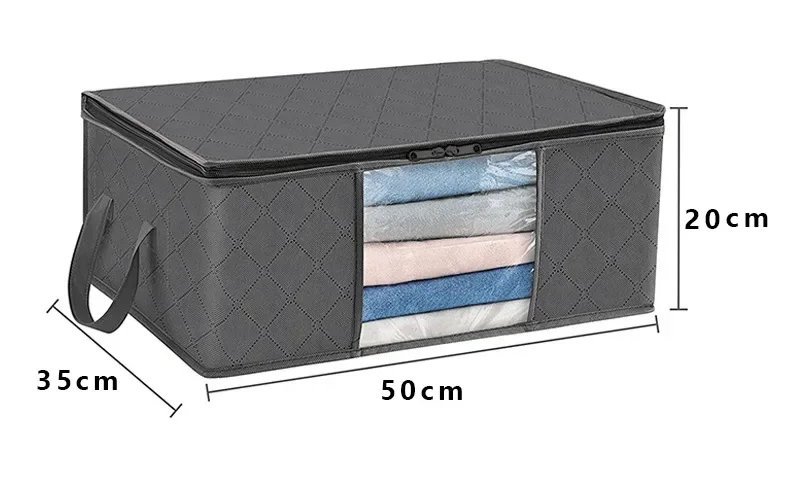
- Bulky, soft and rarely moved: duvets, winter coats, spare pillows. Go tall and deep. A Grey Blanket and Clothes Storage Box is built for precisely this and tucks under a bed or on top of a wardrobe out of the way.
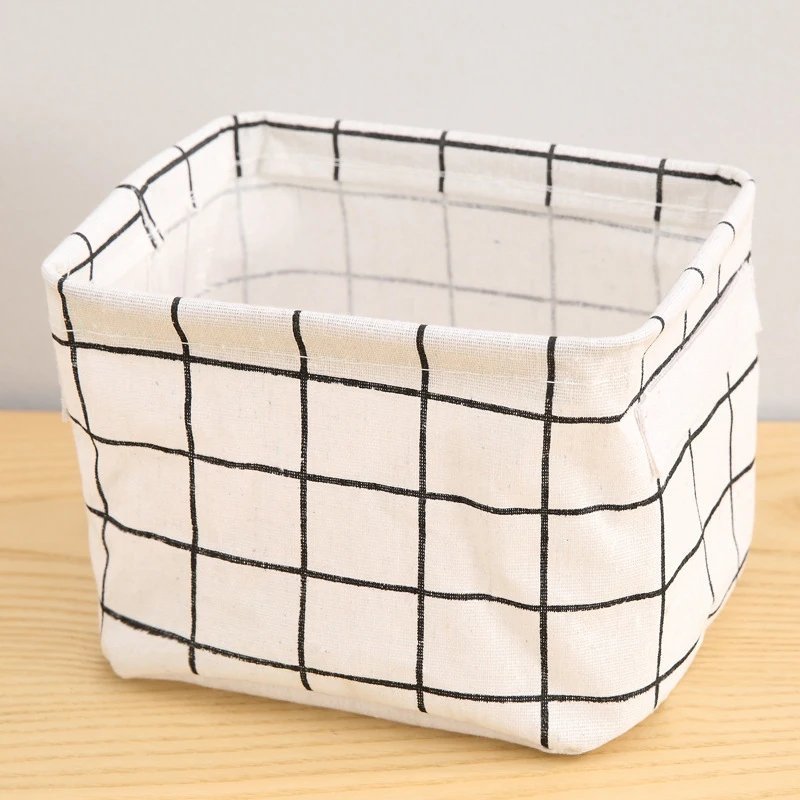
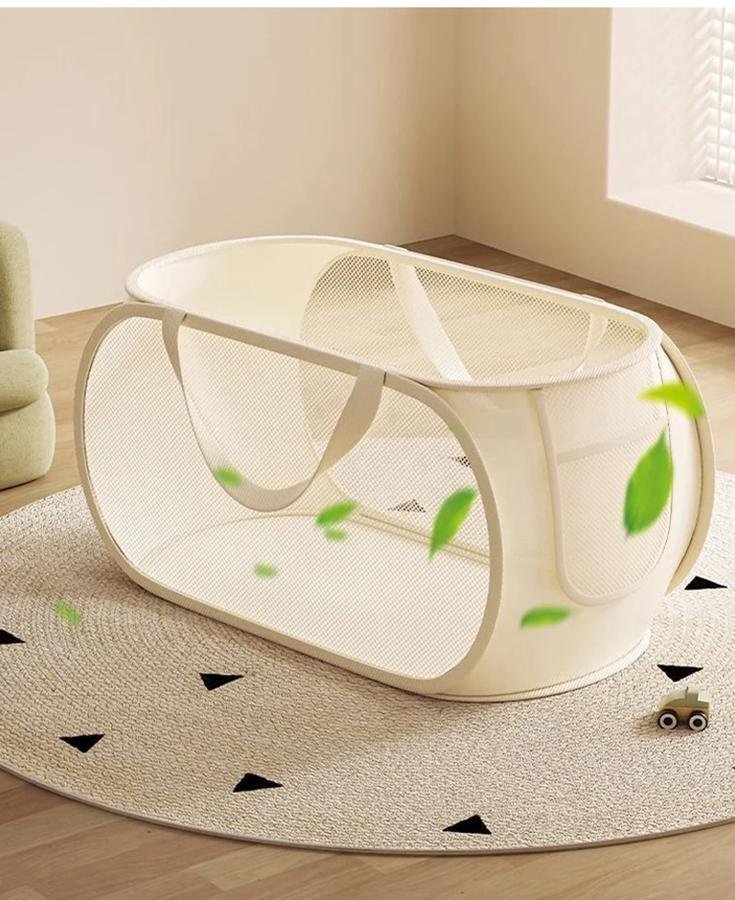
- Big but grabbed daily: toys, throws, sports kit. Go wide with a low front so small hands reach straight in. A Large Folding Toy Storage Basket folds flat when it is not wanted, which suits a room that changes character three times a day.
- Awkward and heavy: logs, laundry, bulging bags of craft supplies. Here, sturdy handles beat good looks every time.
Once you know which of those three you are buying for, browse the full extra-large storage baskets range with a clear head.
Do not overfill, and do not underfill
A large basket looks and works best between roughly a third and three-quarters full. Underfilled, it sits there looking empty and wasting the footprint it claimed. Overfilled, it becomes a heavy, sagging thing you quietly dread lifting. The Royal Institute of British Architects makes the point that good storage is about matching capacity to real need, not simply buying the biggest one on the shelf (RIBA on home design). One well-judged large basket beats two crammed ones, and it will outlast them both.
And if you find yourself forever filling a big basket to the brim, that is not a sign to size up. It is a sign to declutter. Pass on what you no longer use, through your council's recycling or a charity shop, and let the basket get back to doing its job (WRAP on reuse and recycling).
Weight, handles and the lift test
The bigger the basket, the more it matters that you can actually shift it when it is full. A basket you cannot lift is just a heavy ornament.
- Handles should sit at the top third, so a full basket balances properly when you pick it up.
- Soft, foldable baskets are lightest and kindest on the back, but they hold their shape less well when loaded.
- Rigid baskets keep their shape and stack neatly, but they weigh a fair bit before you have even put anything in.
Picture the heaviest thing you will ever store in it, then picture carrying that across the room and up the stairs. If the thought makes you wince, size down or split the load. Your back will thank you long after the basket has stopped looking new.
Build a set that works together
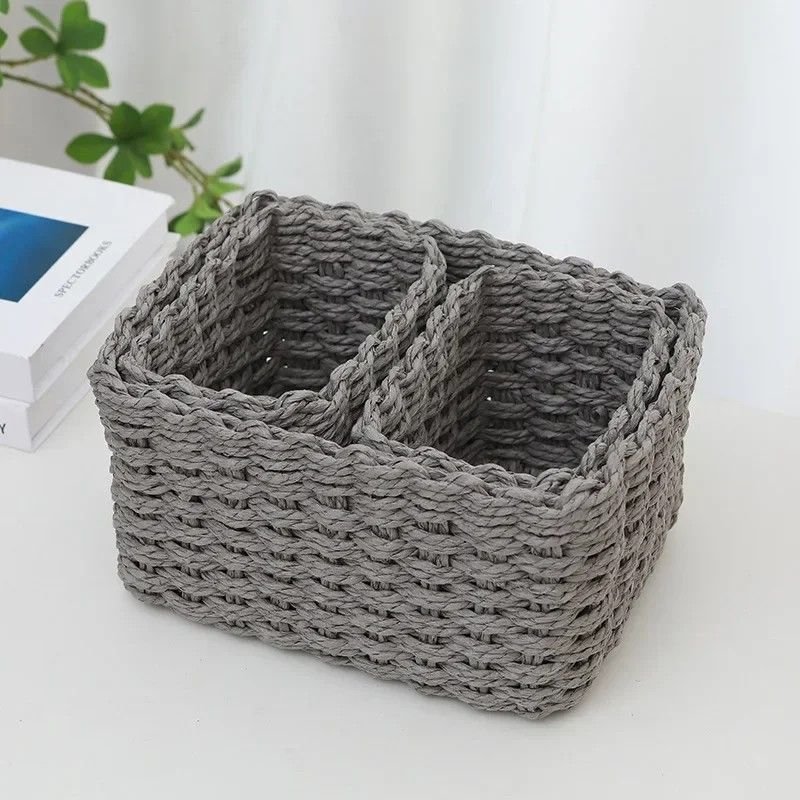
Large storage baskets rarely earn their keep alone. One big one for the bulk, a couple of mediums for the shelves, a few smalls for the odds and ends: that is a system rather than a scatter. Keeping to two or three colours across the whole lot is what makes a room read as calm instead of collected-over-years. Our complete guide to storage baskets walks through building that mix room by room, and the shop all range lets you match finishes across sizes so nothing looks like an afterthought.
FAQ
What counts as a large storage basket? There is no fixed rule, but most large baskets hold around 40 litres or more, or measure over 40cm on the longest side. Extra-large pieces go well beyond that for duvets and bulky bedding.
How do I stop a large basket looking too empty? Aim to keep it between a third and three-quarters full. If it is always nearly empty, a medium basket will suit the space better and leave the room feeling less bare.
Are large fabric baskets or rigid ones better? Fabric baskets are lighter and fold away, which suits things you move often. Rigid baskets hold their shape and stack, which suits long-term storage and heavier loads. Match the type to how often you will move it.
About the author Ruth Enfield - Less chaos, one basket at a time Ruth left a career in office management to become a professional declutterer, and has spent the last seven years helping households across Surrey reclaim their spare rooms and lofts. She's a member of the UK's professional organising community and has a waiting list most months. Her own home is her ongoing case study. Writing for Storage Baskets UK.