Quick answer: Set a timer for fifteen minutes, work one room at a time, and only put things back where they already belong. Do not sort, do not organise and do not start a project - the daily reset is maintenance, and everything that turns it into a decision is what stops people doing it.
Every client I have worked with has tried the big weekend clear-out. Almost none of them have kept a house tidy that way, because it is not the clearing that fails - it is the fortnight afterwards.
Why the big clear-out does not hold
A weekend blitz treats tidying as a project with a finish line. Homes do not have one, because they are being used every day.
So the house is beautiful on Sunday evening and untidy by Thursday, which feels like failure and puts people off trying again. The problem was never the effort - it was the model.
Maintenance is the right frame, and fifteen minutes a day beats six hours a month by a wide margin.
Set an actual timer
This matters more than it sounds.
A timer does two things. It stops the job expanding into an afternoon, which is what makes people avoid starting. And it gives you permission to stop while things are still imperfect, which is the only way a daily habit survives.
When the timer goes, stop, even mid-room. Tomorrow's fifteen minutes will pick it up.
The rule that makes it work: no decisions
The single most important part, and where most routines fall down.
During the fifteen minutes you only put things back where they already have a home. You do not decide whether to keep anything. You do not start sorting a drawer. You do not open the paperwork.
The moment the reset requires decisions, it becomes a task rather than a habit, and it stops happening. Decisions are a separate job for a separate day.
If something has no home, put it in one designated basket and deal with that basket weekly - the calm-home method covers giving categories a place.
Work one room, not the whole house
Carrying things between rooms is where the time goes, and it is how you end up distracted in a bedroom you did not mean to enter.
Do one room properly. Put anything belonging elsewhere by the door, and take it all in one trip at the end.
Rotate which room gets the fifteen minutes. Most homes only have three or four that genuinely need it daily.
Which rooms deserve it
Not all mess costs the same.
Wherever you sit in the evening, because that is where visible clutter is felt most - the living room guide covers containing it.
The kitchen, because clear worktops make cooking easier and it is the room used most.
The hallway, because it sets the tone for coming home.
The spare room, loft and garage do not need a daily reset and never will.
The order that works
- Surfaces first. Clear, not clean. Everything off the worktop, table or coffee table and back where it lives.
- Floor second. Anything on the floor that is not furniture.
- The one basket. Anything homeless goes in it.
- Take the pile. One trip to whichever room the strays belong in.
Surfaces before floor, because surfaces are what you actually see from a chair.
Where storage earns its place
A reset only works if things have somewhere to go. If putting the throws away means folding them into a cupboard, it does not happen.
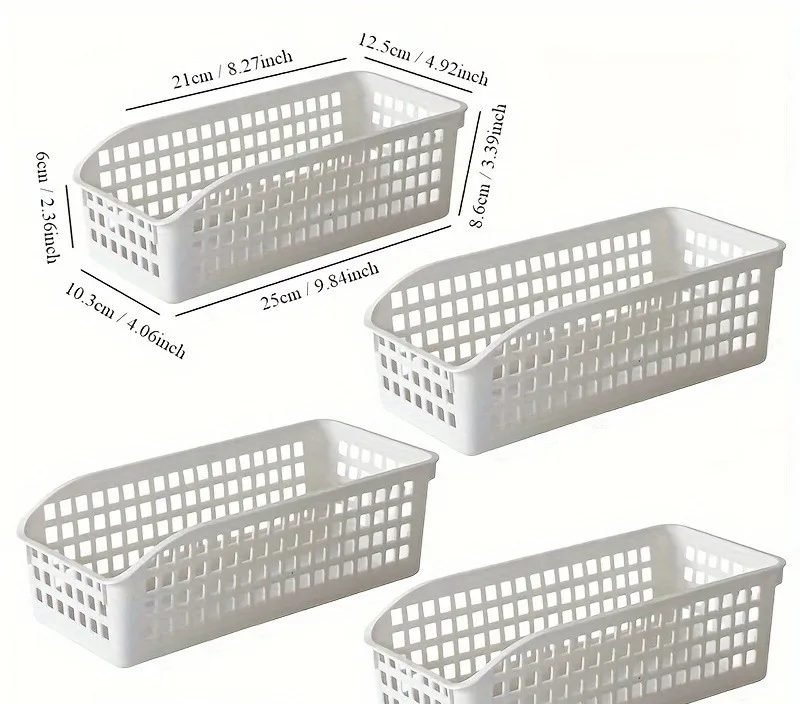
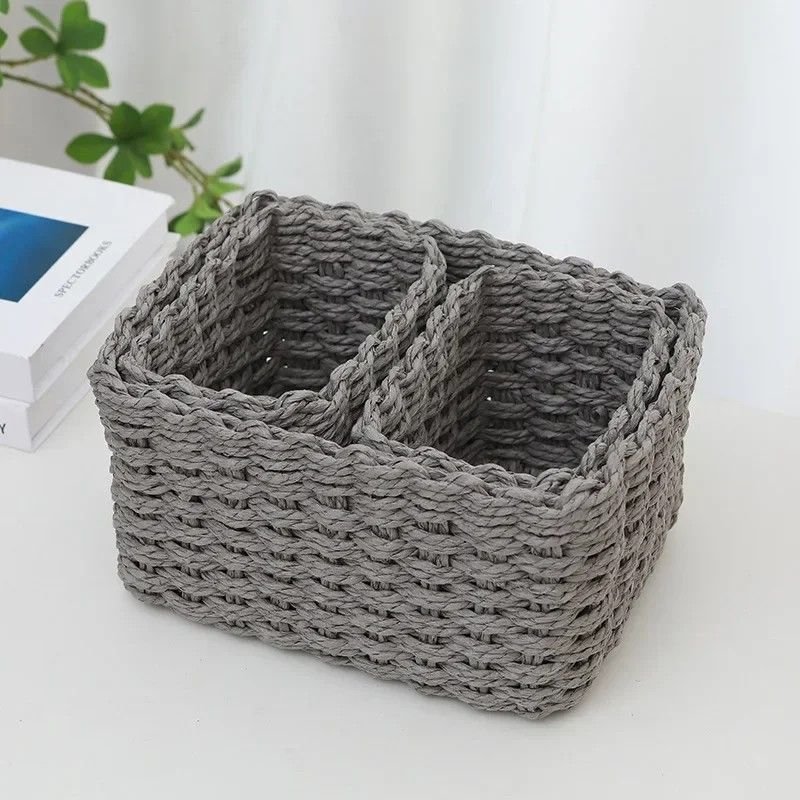
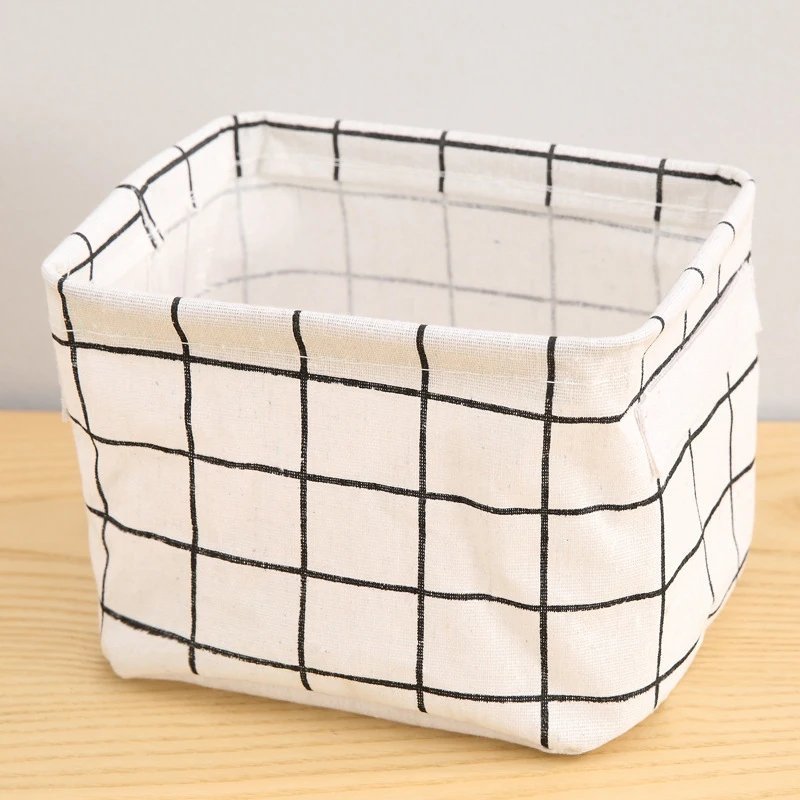
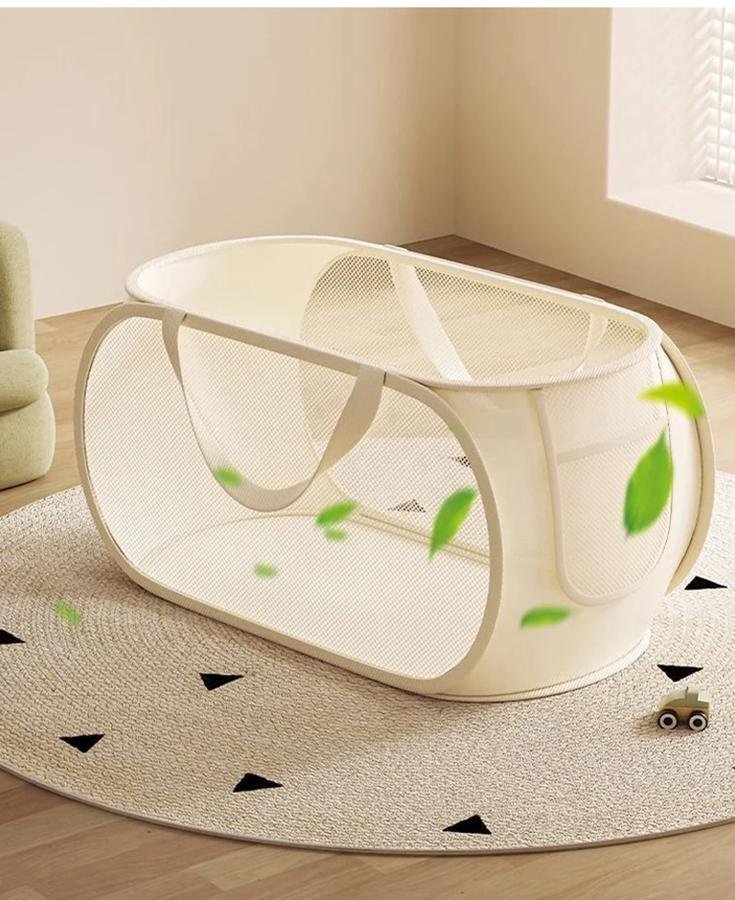
A large open basket for the things that come out every evening turns a five-minute job into a ten-second one. That is the practical case for storage in this routine - the visual clutter guide covers the effect.
Open, not lidded, for anything in the daily loop - fabric baskets and the wider range both suit this.
Doing it with other people
Do your own things and the shared surfaces. Leave other people's alone.
Tidying somebody else's belongings without asking is the fastest way to end the arrangement, and it turns a habit into a grievance. In my experience others join in once they have lived with a clear kitchen for a fortnight.
When you miss a day
Nothing happens. That is the point of a maintenance habit rather than a streak.
Missing three days means the next fifteen minutes is busier, not that the system failed. The only failure mode that matters is giving up entirely because a week went badly - the calm-home method covers building habits that survive.
What to do with the homeless basket
The one container that catches everything without a place needs its own rule, or it becomes a problem in a nicer shape.
Empty it once a week, at a fixed time. Everything in it either gets a home, gets dealt with, or leaves. Nothing goes back in.
If the same object keeps reappearing, that is the signal it needs a permanent home rather than a weekly decision - the small baskets guide covers giving categories a boundary.
Making it stick
Two things separate people who keep this up from people who try it for a fortnight.
Attach it to something you already do - after dinner, before the kettle boils in the evening, while a bath runs. A habit hung on an existing one survives far better than one that needs remembering.
And keep it genuinely short. Fifteen minutes is chosen because it is small enough that you will do it on a bad day, and doing it on bad days is the whole point.
Browse the full range, shelf baskets and grey baskets.
The short version
- Treat tidying as maintenance, not a project - homes have no finish line.
- Set an actual timer, and stop when it goes even mid-room.
- No decisions during the reset: only put things back where they already belong.
- Work one room, leave strays by the door, and take them in a single trip.
- Missing days is fine; the only real failure is giving up after a bad week.
Frequently asked questions
Why do big weekend clear-outs not work?
Because they treat tidying as a project with a finish line, and homes do not have one - they are used every day. The house looks beautiful on Sunday and untidy by Thursday, which feels like failure and puts people off trying again.
What should I actually do in fifteen minutes?
Clear surfaces first, then the floor, putting things back only where they already have a home. Anything homeless goes into one designated basket, and anything belonging in another room waits by the door for a single trip.
Why should I not sort things during a daily reset?
Because sorting requires decisions, and the moment a routine requires decisions it becomes a task rather than a habit. Deciding what to keep or where something should live is a separate job for a separate day.
Which rooms need a daily reset?
Wherever you sit in the evening, the kitchen, and the hallway. Those are the rooms where visible clutter is actually felt. The spare room, loft and garage do not need a daily reset and never will.
What if I miss a few days?
Nothing happens - that is the advantage of maintenance over a streak. Missing three days simply means the next fifteen minutes is busier. The only failure mode that matters is abandoning it after one bad week.