Quick answer: For toys, one large open basket beats several small sorted ones, because a child will actually use it. Sorting systems fail because they add a decision to every tidy-up. Keep it open, keep it low, and keep it in the room where the toys are used.
Three children, a small house in Nottingham, and years of buying storage that did not work. Here is what I would tell myself at the start.
One big basket beats six small ones
The mistake almost everybody makes, me included.
You buy a set of labelled boxes - cars, blocks, dinosaurs, craft - because it looks organised. And it is, for about four days. Then everything is in the wrong box, or on the floor, because putting a toy away now requires a decision.
Children will do "put it in the basket". They will not reliably do "work out which category this belongs to and find that box". One large open basket asks for nothing, so it gets used.
Sorting comes later, and it is a job for an adult occasionally rather than a child every day.
Open, always
A lid adds a step, and a step is enough to stop a tidy-up happening.
It also makes the basket a two-hand operation, which a child carrying toys does not have. And lidded boxes get stacked, which means the bottom one is inaccessible and its contents are effectively gone.
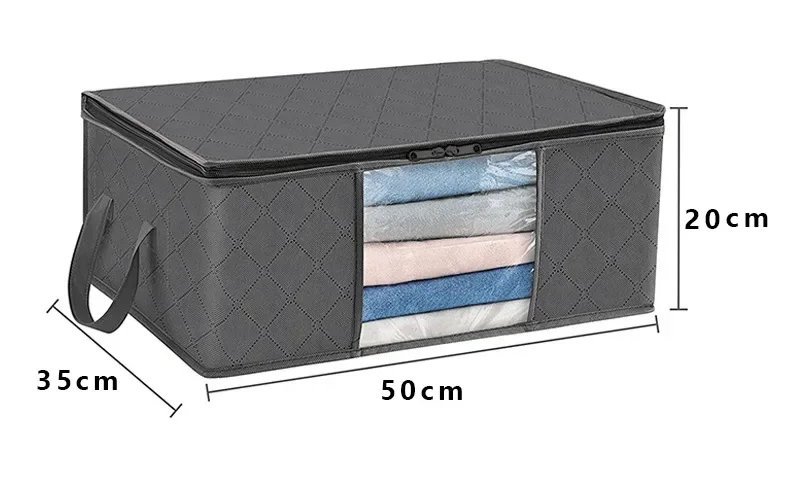
If you want lids for looks, put them on the seasonal and rarely used things on a high shelf, not on the daily toys - the lidded guide covers that split.
Size: bigger than you think
Toys are bulky and awkwardly shaped, and a basket that looks generous in a shop holds surprisingly little once a ride-on and a box of blocks go in.
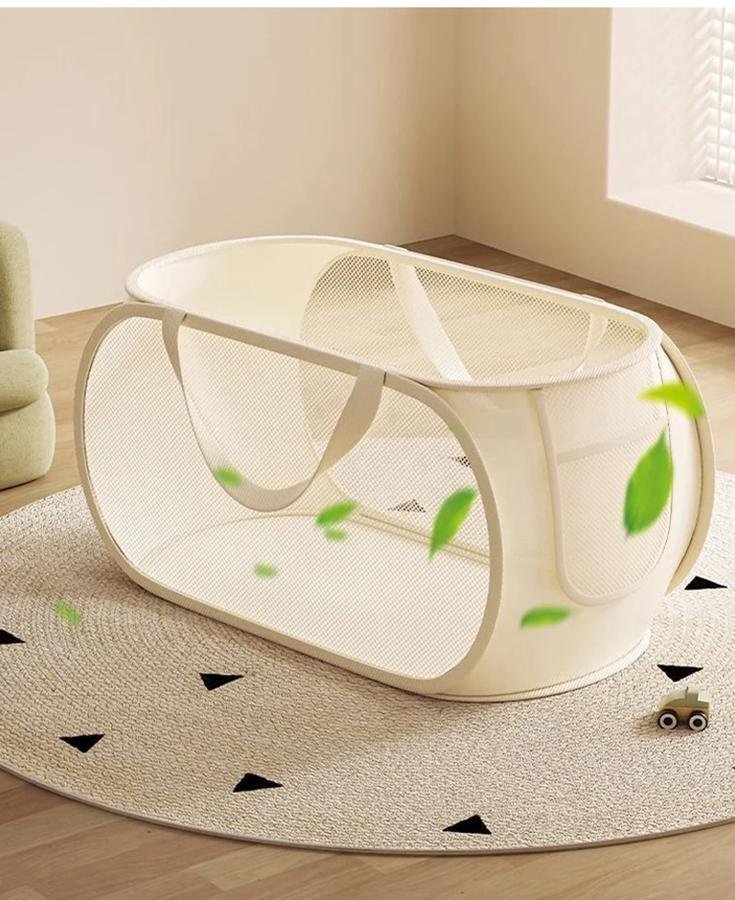
For a main toy basket in a living room or playroom, go large - big enough that a genuine day's worth of toys fits without stacking. A large folding toy basket is the sort of size that works, and it folds flat when you do not need it.
Smaller baskets have their place for specific things - the sizing guide covers judging capacity generally.
Put it where the toys actually are
Storage in the wrong room does not get used. This sounds obvious and is broken constantly.
If the children play in the living room, the toy basket goes in the living room, however much you would prefer it in their bedroom. A basket upstairs does not tidy a downstairs floor.
A large open basket in a living room can look perfectly good, particularly in a natural or neutral finish - the living room guide covers making that work.
Low enough to reach
If a child cannot reach it, an adult is doing the tidying. That is a choice you can make, but make it deliberately.
Floor-standing baskets and low shelves let children put things away themselves, which is the whole point. High shelves are for things you are deliberately controlling access to.
Soft sides near small children
A practical point rather than a safety claim.
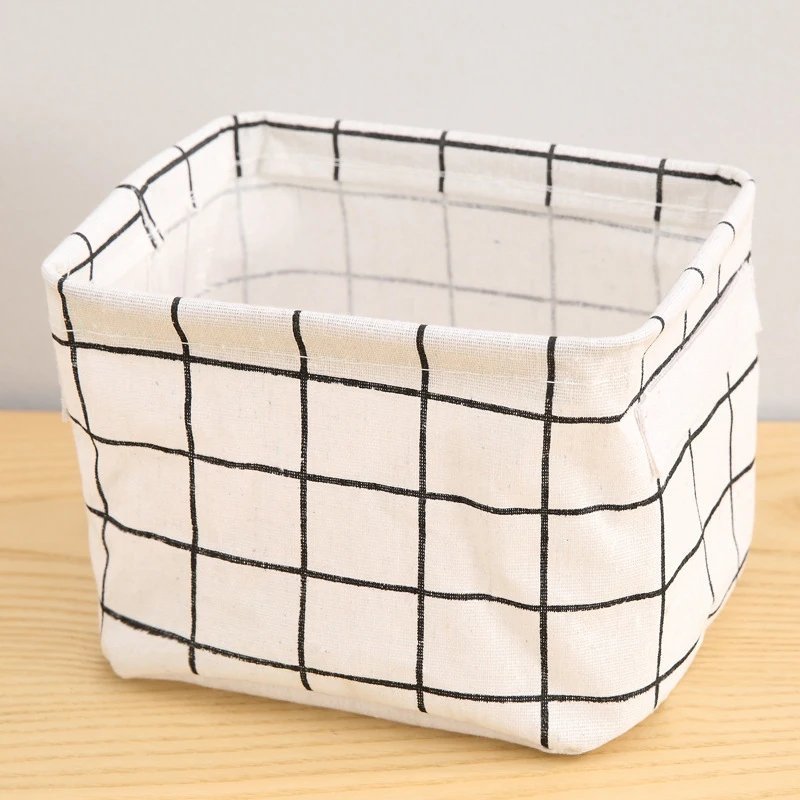
Fabric and soft-sided baskets have no hard edges or corners at toddler head height, which makes life easier in a room where somebody is learning to walk. They also fold flat and weigh nothing when a child pulls one over.
Check any product's own age guidance and safety information before buying for a young child - I would not tell you a basket is safe for a given age, because that depends on the specific item rather than the category. The nursery and kids range is the place to look.
What about all the sorting?
You do still want some. The version that works is coarse rather than fine.
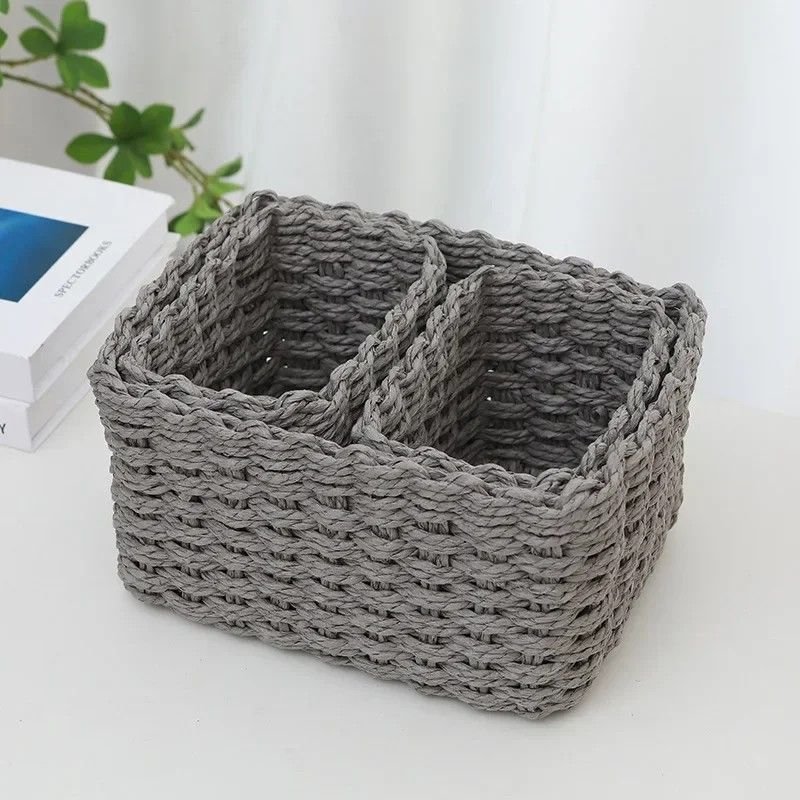
Two or three baskets, split by something obvious - big toys, small toys, books - is about the limit of what children maintain. Anything more granular is an adult system being imposed on people who did not agree to it.
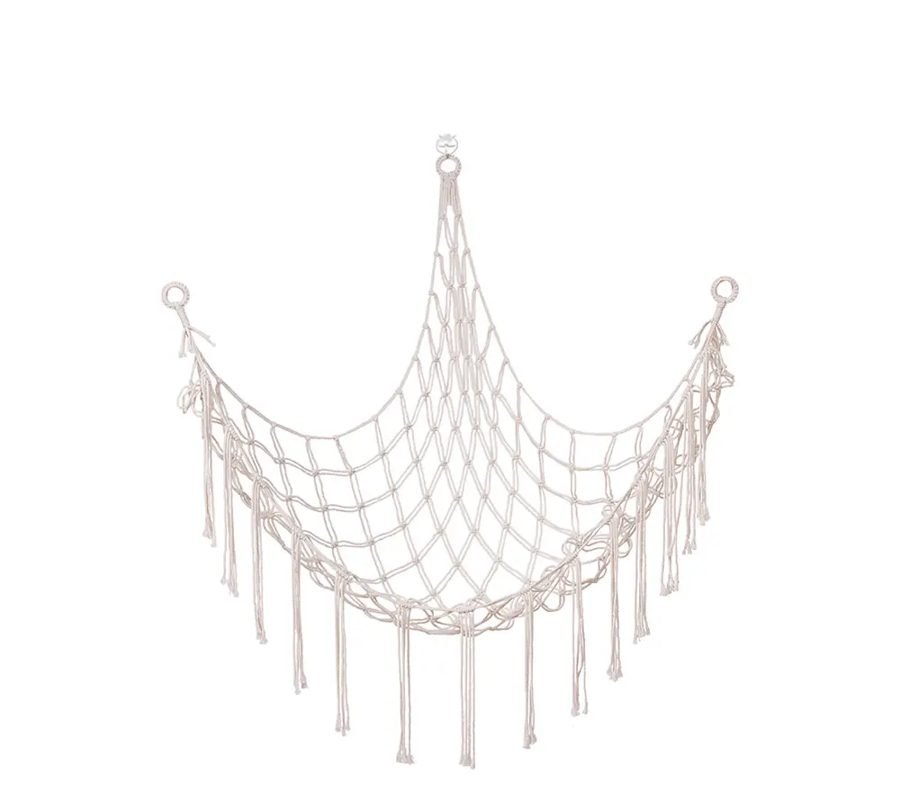
Hanging storage suits soft toys particularly well, since they are bulky and light - a toy hammock uses corner space nothing else wants.
Expect to rotate
The thing that actually reduces the volume.
Most children play with a fraction of what they own at any time. Putting some away and swapping it every few weeks makes the room manageable and makes old toys feel new again.
That is what the lidded boxes and the high shelf are for. The toy storage guide covers building a system around it.
What to do about the sheer volume
No storage system fixes too many toys, and it is worth saying that plainly before spending money on baskets.
Two things genuinely reduce the volume. Rotating, which keeps most of it out of sight and makes the rest feel new. And a standing rule that new things arriving means something leaving - easier to hold to at birthdays and Christmas than at random.
Involving children in the choosing works better than doing it while they are out, though it takes longer and produces stranger decisions.
Books are their own problem
Books do not suit baskets particularly well, because they are heavy and you want to see the spines.
A soft-sided basket full of books slumps within a week. If books are going in a basket, use a rigid one and keep it low, or better, use a front-facing shelf so children can actually see what is there.
Soft toys are the opposite - light, bulky and awkward on shelves, which is exactly what hanging storage suits. The toy storage guide covers the mix.
Browse toy storage, nursery and kids and the full range, with more in the room-by-room guide.
The short version
- One large open basket beats several sorted boxes, because children will actually use it.
- Lids add a step, need two hands, and get stacked - keep daily toys open.
- Go bigger than feels necessary; toys are bulky and awkwardly shaped.
- Put the basket in the room where the toys are used, not where you would prefer it.
- Coarse sorting - big, small, books - is the most children reliably maintain.
Frequently asked questions
Is one big toy basket better than several small ones?
Usually yes. Sorted boxes look organised and last about four days, because putting a toy away then requires a decision. Children will reliably do put it in the basket, so one large open basket actually gets used.
Should toy storage baskets have lids?
Not for daily toys. A lid adds a step, needs two hands a child carrying toys does not have, and encourages stacking, which makes the bottom box inaccessible. Save lids for seasonal toys on a high shelf.
Where should I put a toy basket?
In the room where the children actually play, even if you would rather it was elsewhere. A basket upstairs does not tidy a downstairs floor, and a large neutral basket can look perfectly good in a living room.
How much sorting should I expect children to do?
Coarse sorting only - two or three baskets split by something obvious such as big toys, small toys and books. Anything more granular is an adult system being imposed on people who did not agree to it.
How do I reduce the amount of toys out at once?
Rotate them. Most children play with a fraction of what they own at any time, so putting some away and swapping every few weeks keeps the room manageable and makes older toys feel new again when they reappear.