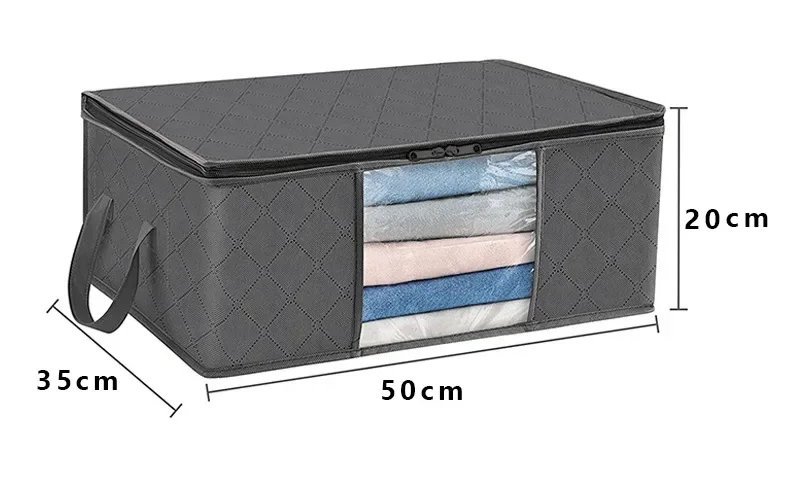
Quick answer: Repeat one basket rather than collecting several, keep the palette to two tones, vary texture rather than colour, and leave breathing space. Storage looks styled when it is repeated and quiet, and looks utilitarian when every piece is different.
I am not a designer. But I have spent enough time in other people's houses to notice what the tidy ones have in common, and it is not money.
Repeat, do not collect
The first and biggest difference.
Rooms that look styled use the same basket several times. Rooms that look practical use whatever was bought when the need arose.
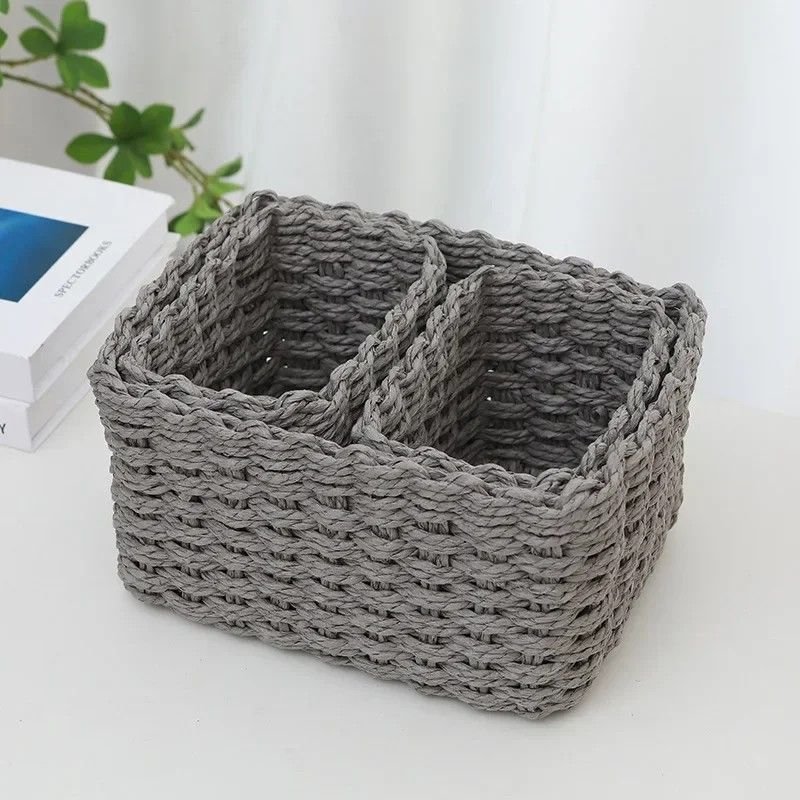
Three identical baskets in a row is the single easiest upgrade available, and it usually costs less than three different ones because sets are cheaper per basket.
If you already own a mix, you do not have to replace everything - group the matching ones together and put the odd ones out of the main sightline.
Two tones, no more
Colour restraint does more work than colour choice.
Pick one neutral for the storage and let the room's own colours do the talking. Natural and white, or grey and white, or natural and black. Two tones across all the visible storage in a room.
Once you have three or four basket colours, the eye reads the storage as clutter regardless of how tidy the contents are - which is the same point the visual clutter guide makes.
Grey and white are the safest bases in most UK homes.
Vary texture, not colour
This is the trick that stops a restrained scheme looking flat.
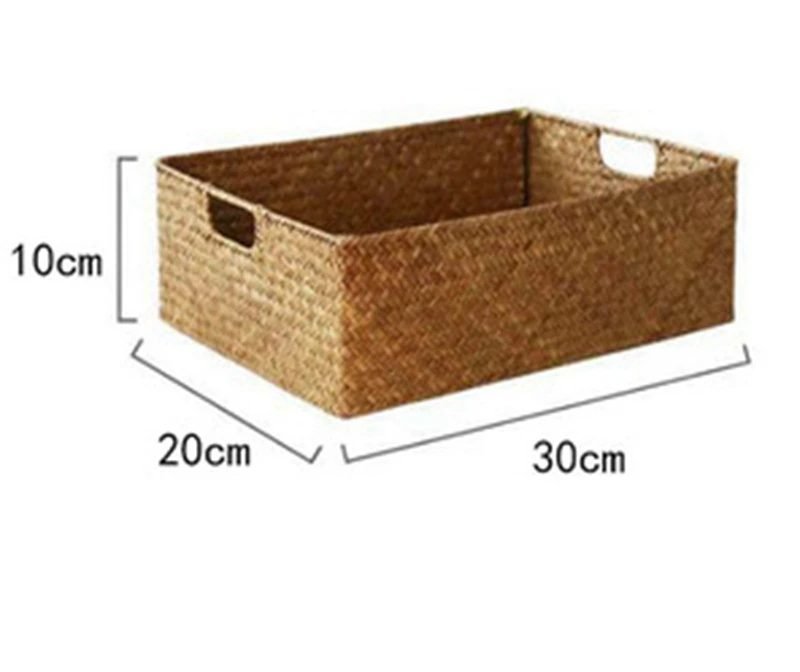
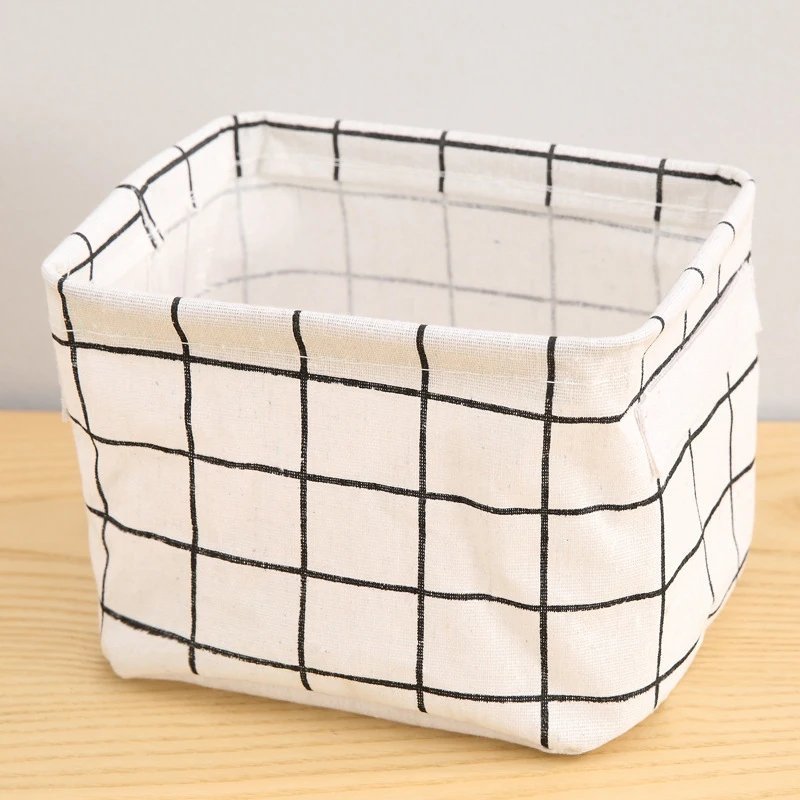
Keep the colours quiet and let the materials differ - a woven basket beside a fabric one beside a wire one, all in similar tones. You get interest without the busyness that comes from mixing colours.
Texture also reads well in photographs and in low light, which colour does not.
Woven and fabric against wire and metal is the easiest pairing to get right.
Leave breathing space
The habit that separates a styled shelf from a storage wall.
Do not fill every opening. A shelf with baskets in some cubes and books or a plant in others looks composed; one with a basket in every single cube looks like a stockroom.
Roughly two thirds full is about right. The empty third is doing real work.
Line things up
Free, takes seconds, and almost nobody does it.
Push every basket to the same distance from the shelf edge. Turn all the handles the same way. Make sure labels face out and sit at the same height.
A row of identical baskets at slightly different depths looks messier than a row of different baskets that are perfectly aligned. Alignment does more than matching.
Scale up rather than out
Small baskets multiply and start to look fussy.
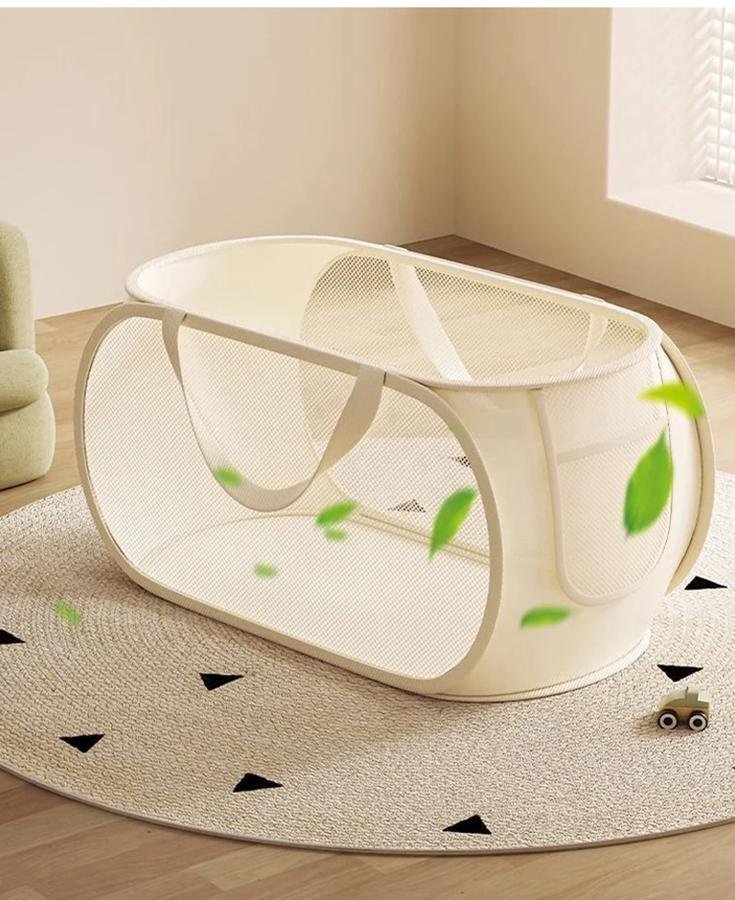
One large basket usually looks better than three small ones holding the same volume, and it is easier to use. This is particularly true at floor level in a living room, where a big basket reads as furniture and small ones read as clutter.
The living room guide covers sizing, and the large baskets guide covers choosing capacity.
Hide the ugly, show the good
Not everything needs concealing.
Throws, cushions and books can sit in an open basket and look intentional. Cables, chargers, cleaning things and paperwork should be behind a lid or out of sight.
The mistake is doing it the other way round - lidding the nice things because lids look neat, and leaving the cables visible because they are used often.
One last thing
Whatever you do, keep the storage boring and let the room be interesting. Baskets that are trying to be a feature usually end up competing with the things you actually chose.
Rooms where the rules bend
Everything above assumes you want the storage to recede. Two rooms are different.
Children's rooms. Colour is doing a job here - it helps children identify where things go, and a room that looks fun gets used. Matching still helps, but the palette can be much louder - the nursery and kids range covers it.
Utility rooms and garages. Nobody is styling these, and function wins outright. Clear plastic so you can see contents, stackable, wipeable.
Photographing a room
A small trick if you are trying to judge whether a scheme works.
Take a photo on your phone and look at that instead of the room. A photograph flattens everything into two dimensions, which is exactly how the eye reads a room from the doorway, and mismatched storage jumps out immediately in a way it does not in person.
It is the cheapest design review available, and it is why rooms that photograph well usually feel calm to stand in.
Browse the full range, fabric and woven baskets and seagrass, with more in the complete guide and the room-by-room guide.
The short version
- Repeat one basket several times rather than collecting different ones.
- Keep visible storage to two tones; three or more reads as clutter however tidy it is.
- Vary texture instead of colour - woven beside fabric beside wire, all in similar tones.
- Fill about two thirds of a shelf; the empty third is what makes it look composed.
- Align fronts and turn handles the same way - alignment does more than matching.
Frequently asked questions
How do I make storage baskets look stylish?
Repeat the same basket several times rather than collecting different ones, keep the palette to two neutral tones, and leave some shelf space empty. Repetition and restraint do far more than any individual basket does.
How many basket colours should a room have?
Two at most across all the visible storage. Once there are three or four, the eye reads the storage itself as clutter regardless of how tidy the contents are, which defeats the point of having it.
How do I stop a neutral scheme looking flat?
Vary the texture instead of the colour. A woven basket beside a fabric one beside a wire one, all in similar tones, gives interest without the busyness that comes from mixing colours, and it reads well in low light.
How full should a shelf of baskets be?
About two thirds. Baskets in some openings with books, a plant or nothing in others looks composed, while a basket in every single cube reads as a stockroom. The empty space is doing real work.
Is it better to use one large basket or several small ones?
Usually one large one, especially at floor level. Small baskets multiply and start to look fussy, whereas a single large basket reads as furniture and is easier to actually use for the same volume of contents.