Quick answer: Laundry needs airflow, so mesh and open-weave baskets beat sealed ones - damp washing in a closed container is how the musty smell starts. Choose by how you sort and how far you carry it, and use a pop-up if you are short of permanent floor space.
I rent a flat with no utility room, so the laundry basket lives in the bedroom and gets carried down a hallway twice a week. That shapes what actually works.
Airflow matters more than looks
The single most important thing, and the one most often ignored.
Washing goes into a basket damp - from sweat, from a bathroom floor, from a towel that was not quite dry. In a sealed container that moisture has nowhere to go, and within a couple of days you have the smell everyone recognises.
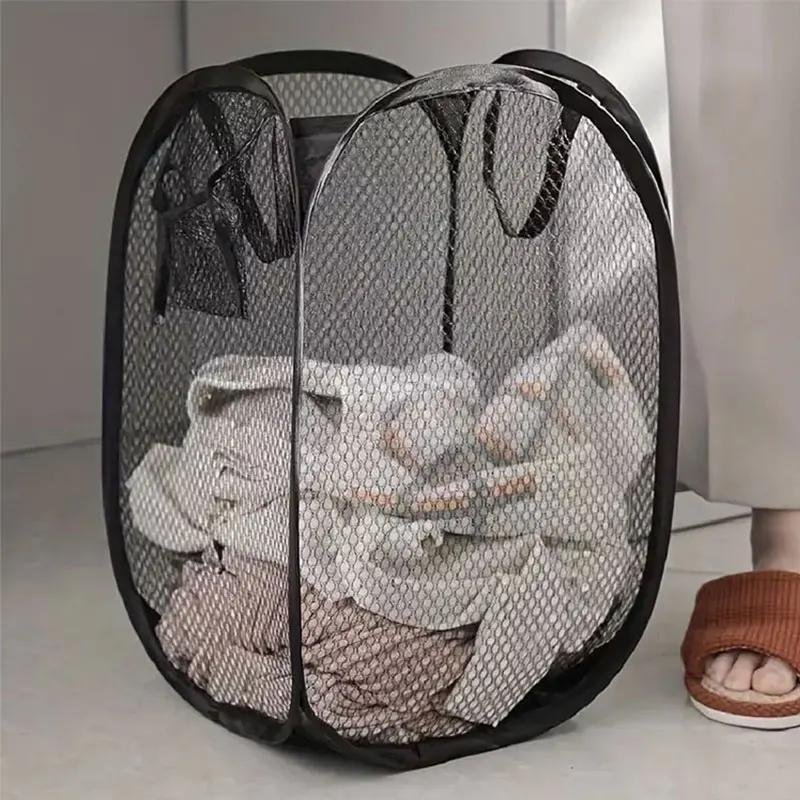
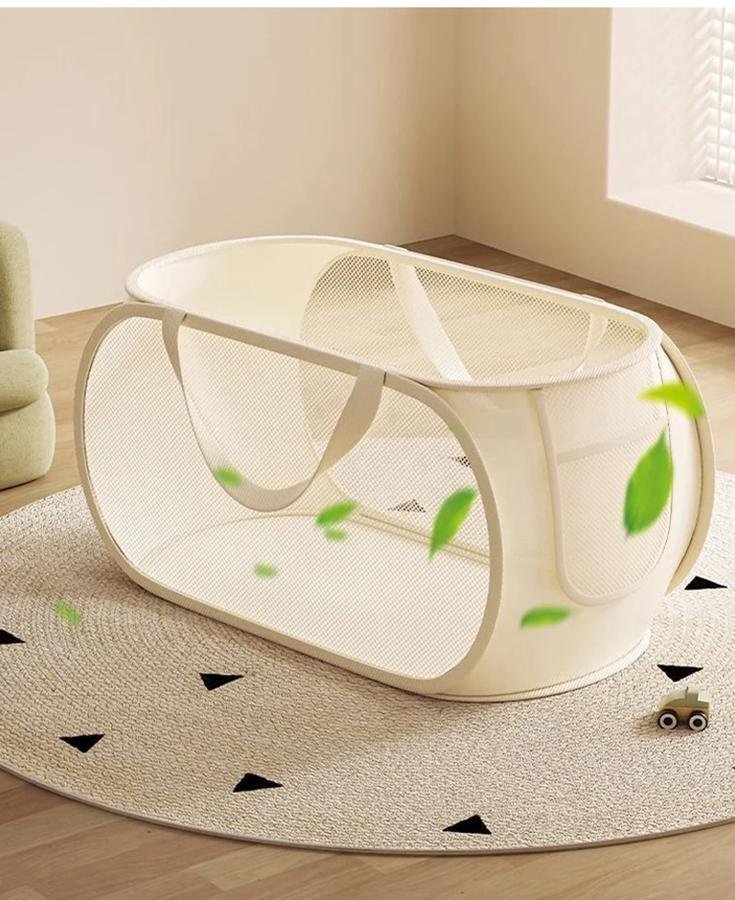
Mesh and open-weave baskets let air move through, which prevents most of it. A mesh pop-up basket is the simplest version, and the laundry range has more.
If you want a lidded basket for looks, make sure the sides breathe.
Choose by how you sort
One basket. Simplest, and fine if you wash by the load rather than by colour. Everything in, sort at the machine.
Two sections. The sweet spot for most homes - lights and darks, or wash and hand-wash. A twin-section basket does this in one footprint instead of two.
Three or more. Only worth it if you genuinely sort that finely. Otherwise you are giving floor space to a system you do not use.
Be honest about which you actually are. Most people buy for the version of themselves who sorts carefully.
How far do you carry it?
The question that decides the shape.
If the machine is in the same room, a rigid basket is fine and it does not matter what it weighs. If you carry washing down stairs, weight and handles matter a lot.
Soft carriers and totes are far easier on stairs than a rigid basket, because they hold against your body - a mesh tote is easier to manage one-handed than a hamper.
Look for handles that are actually comfortable rather than decorative, and a shape you can see over.
Pop-up versus rigid
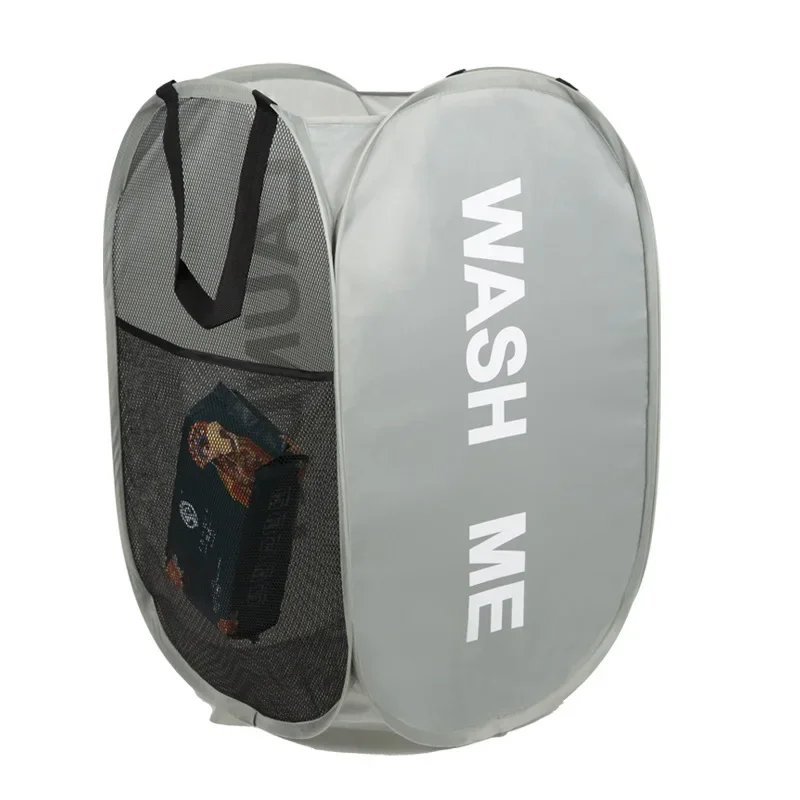
Pop-up baskets collapse to nothing, which is the whole argument if you are short of space. They also weigh very little, they cannot chip a wall, and they cost less.
Their weakness is that they do not stand up well when empty and can look temporary.
Rigid baskets hold their shape, look more permanent, and are easier to load one-handed. They also take up the same space empty as full, which in a small bathroom is a real cost.
A pop-up hamper is a reasonable middle ground - it holds a shape but folds away when you need the floor back.
Size, honestly
Big enough for the washing you generate between loads, plus a bit.
Too small and it overflows onto the floor, which defeats the point. Too big and washing sits in it for a week, which is how it starts to smell.
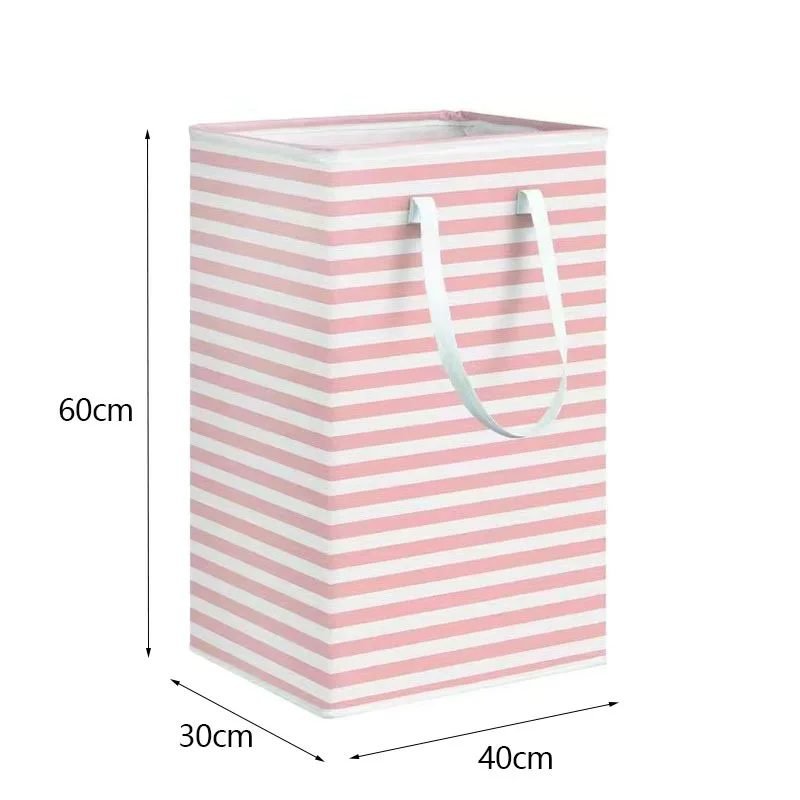
For a household doing a couple of loads a week, something in the region of 50 to 80 litres is usually about right - a 75 litre basket is a typical family size. Extra large baskets suit bigger households.
Where to put it
Wherever clothes actually come off. That is usually the bedroom or the bathroom, not the utility room where you would like it.
A basket in the wrong room gets bypassed, and clothes end up on the chair instead. The laundry and wardrobe guide covers the wider system.
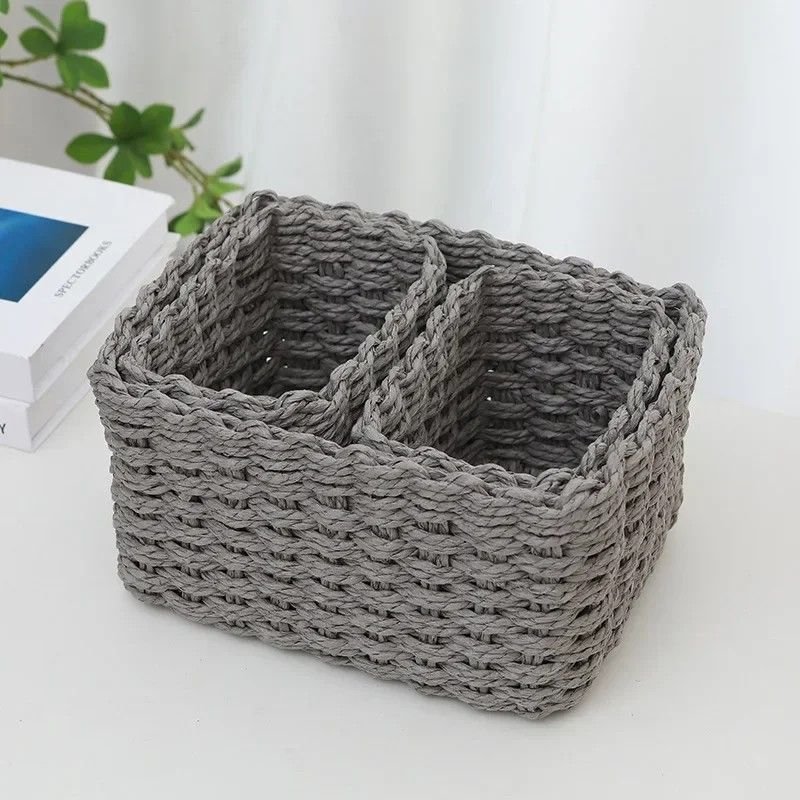
If the basket has to live somewhere visible, that is an argument for one that looks like furniture rather than equipment - grey baskets disappear into most rooms.
Keeping it from smelling
Three habits do almost all of it.
Never put anything genuinely wet in - hang wet towels first. Empty it fully rather than washing off the top. And let the basket dry out occasionally, especially a fabric one.
If a basket already smells, wash or air it thoroughly before refilling, or you are just reintroducing the problem.
Where the clean washing goes
The half of the problem nobody plans for. Most homes have a dirty laundry basket and no equivalent for clean washing, so it lives in a pile on a chair or in the machine.
A second basket for clean, folded washing waiting to be put away solves more daily mess than the dirty one does. It also means the airer can be cleared in one go rather than item by item.
Keep the two obviously different so nobody confuses them - different colour or a clearly different shape.
Airers, and the space between
If you dry indoors, which most flats do, the basket has to work alongside an airer rather than instead of it.
What helps is a carrier you can take to the airer and load one-handed, rather than a rigid basket you leave on the floor - a fold-flat carrier suits that, and folds away when the airer comes down.
And keep damp things off natural fibre entirely, which the laundry and wardrobe guide covers.
Browse laundry baskets, extra large baskets and the full range.
The short version
- Airflow beats looks - damp washing in a sealed basket is how the smell starts.
- Two sections suits most homes; three or more only if you genuinely sort that finely.
- If you carry washing downstairs, a soft tote is far easier than a rigid hamper.
- Pop-up baskets fold to nothing; rigid ones take the same space empty as full.
- Put it where clothes actually come off, or it gets bypassed for the nearest chair.
Frequently asked questions
What is the best type of laundry basket?
One that lets air through. Washing goes in damp, and in a sealed container that moisture has nowhere to go, which is how the musty smell starts within a couple of days. Mesh and open-weave designs prevent most of it.
How many laundry sections do I need?
Two suits most homes - lights and darks, or machine wash and hand wash - and a twin-section basket does that in one footprint. Three or more is only worth the floor space if you genuinely sort that finely.
What size laundry basket should I buy?
Big enough for the washing you generate between loads, plus a little. For a household doing a couple of loads a week, roughly 50 to 80 litres works. Too big and washing sits for a week, which is how it starts to smell.
Are pop-up laundry baskets any good?
Yes, particularly if you are short of space, since they collapse to nothing, weigh very little and cost less. The trade-off is that they do not stand up as well when empty and can look more temporary than a rigid basket.
How do I stop a laundry basket smelling?
Never put anything genuinely wet in, hang damp towels first, empty the basket fully rather than washing off the top, and let it dry out occasionally. If it already smells, wash or air it before refilling.