Quick answer: Bathrooms are damp, so choose plastic, wire or washable fabric over untreated natural fibre. Use vertical space - over-door, wall and above the cistern - because floor space is what a bathroom has least of, and keep anything daily open rather than lidded.
Our bathroom is small, has one narrow cupboard and no window that opens properly. It is the room where storage advice either works or very obviously does not.
Damp is the deciding factor
Everything else about bathroom storage follows from this.
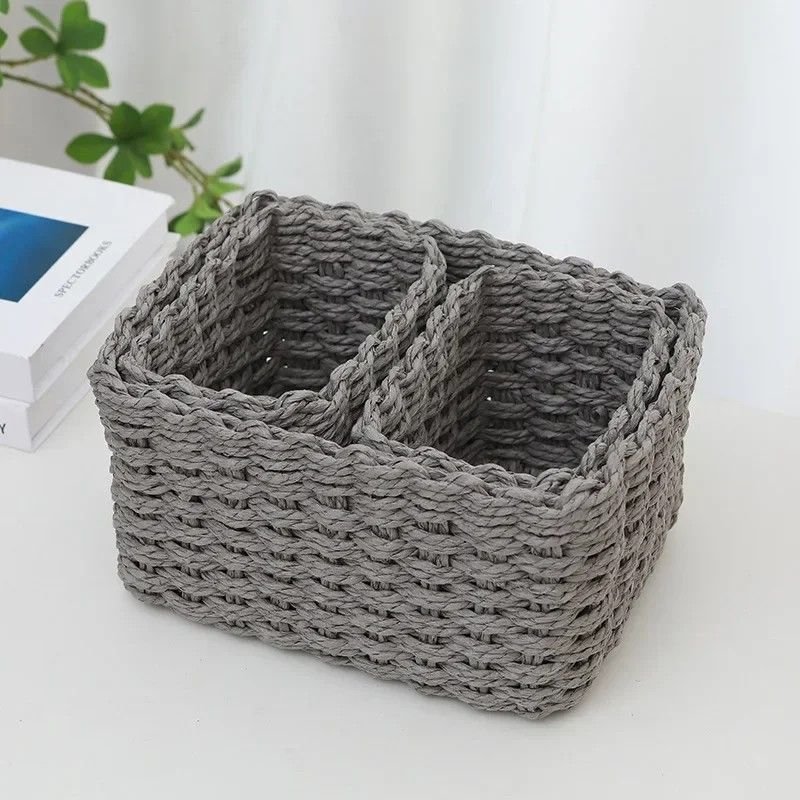
A bathroom goes from dry to steamy several times a day, and untreated natural fibre does not enjoy that. Seagrass and rattan will survive in a bathroom that airs well and will go musty and brittle in one that does not.
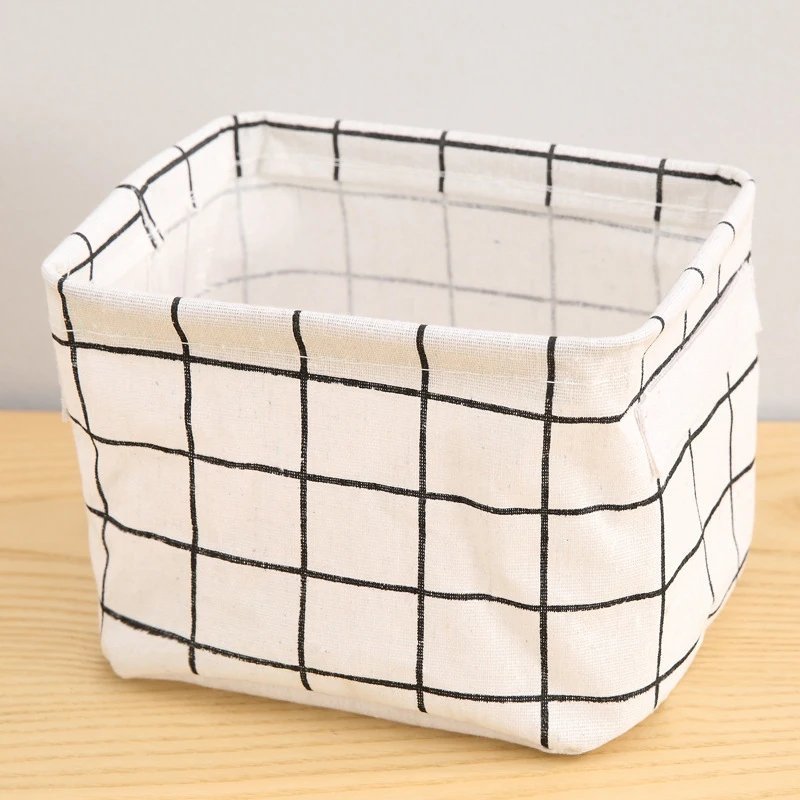
So the safe materials are plastic, wire and washable fabric. If you want the natural look, keep it to a shelf away from the shower and accept it will not last as long as the same basket in a bedroom - the materials guide covers why.
Go vertical, because there is no floor
Bathrooms are the smallest room in most homes and the one with the most stuff per square metre.
Above the cistern. Dead space in almost every bathroom, and it takes a narrow basket or two comfortably.
The back of the door. An over-door organiser holds a surprising amount and needs no fixings - an over-door organiser works for far more than shoes.
Wall-mounted baskets beside the sink, for the things that otherwise live on the edge of the basin - the wall and hanging range.
The gap beside the toilet, which is narrow, awkward and ideal for something slim.
What goes in what
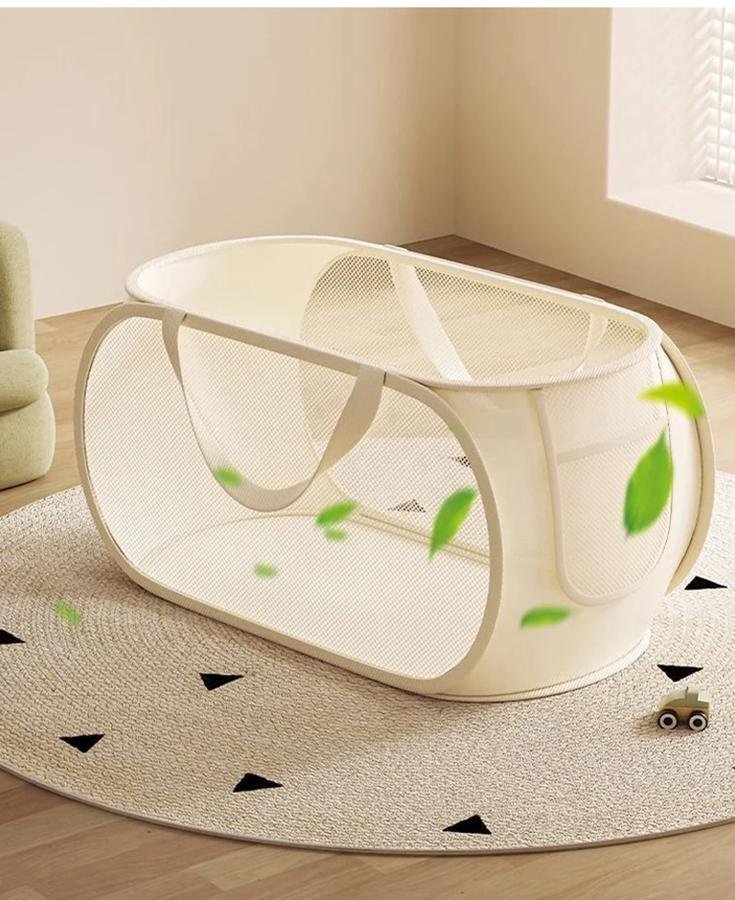
Towels. A large open basket, rolled rather than folded. Rolled towels fit more in the same space and look tidy without effort. Keep it away from the shower spray.
Daily toiletries. A small open basket per person, or one per category. Open, because you use them every day and a lid means they end up on the side instead.
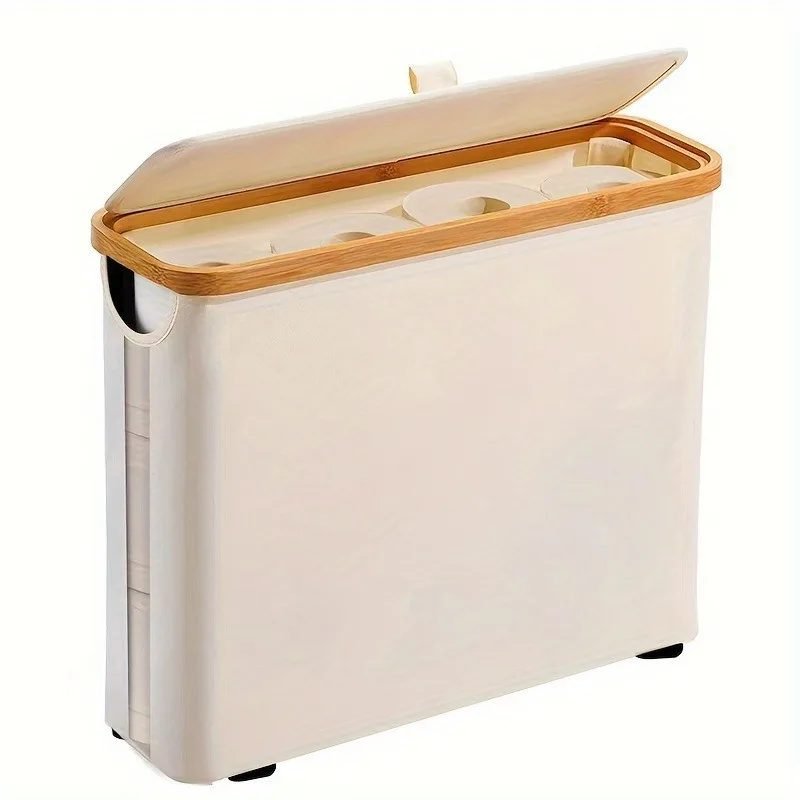
Toilet roll. Genuinely worth its own container - a lidded toilet roll basket keeps a stack tidy and off the floor.
Cleaning products. Plastic, under the sink, and something you can wipe out when a bottle leaks. It will.
Spares and refills. Lidded, on the highest shelf, labelled.
Under the sink is the awkward one
Most bathroom cupboards are built around a pipe, which makes the space irregular and hard to use.
Two things help. Use several narrow baskets rather than one wide one, so you can arrange around the pipework. And use baskets you can pull out, because anything at the back of that cupboard is otherwise invisible forever.
Slim plastic baskets suit this exactly, and they wipe clean when something spills.
Keep it off the floor
Practical rather than aesthetic.
Bathroom floors get wet, and anything standing on one wicks moisture up into whatever is inside. It also makes cleaning the floor a two-stage job, which means it happens less.
Shelves, wall fixings and the cistern top all beat the floor. If something must go on the floor, make it plastic.
Small bathrooms specifically
The rule that matters most: fewer, larger, and matching.
A row of assorted tubs on a shelf makes a small bathroom feel busy. Two or three matching baskets do the same job and let the eye rest - the same principle as in the visual clutter guide.
Pale colours help too, and white baskets suit a small bathroom better than dark ones.
Airing, which prevents most problems
If you have anything woven or fabric in there, take it out occasionally and let it dry properly, especially if the room has no window.
Damp towels are the usual culprit - putting a damp towel into a basket and closing the door is how a bathroom basket starts to smell.
Sizing for a bathroom
Bathrooms punish oversized storage more than any other room, because the floor area is so small that a basket which is slightly too big changes how you move around.
Measure before buying, particularly the depth of any shelf and the clearance beside the toilet. Then go one size smaller than you think, since a bathroom basket that overhangs a shelf is at head height and gets caught constantly.
The exception is towels, where a generous open basket genuinely earns the space it takes.
Sharing a bathroom
The arrangement that reduces the most friction in a shared house or a family bathroom.
Give each person one basket rather than sorting by product type. It sounds less organised and it works far better, because nobody has to decide which category something belongs to, and nobody's things end up mixed with somebody else's.
Matching baskets in different positions read as tidy; different baskets for each person read as a jumble - the point the styling guide makes about repetition.
Browse bathroom baskets, plastic storage and lidded baskets, with more in the room-by-room guide.
The short version
- Damp decides everything: plastic, wire or washable fabric over untreated natural fibre.
- Use the cistern top, the back of the door and the wall - a bathroom has no floor to spare.
- Roll towels rather than folding them; more fit and it looks tidy with no effort.
- Under the sink, use several narrow pull-out baskets to work around the pipework.
- Keep baskets off the floor, because bathroom floors get wet and moisture wicks upward.
Frequently asked questions
Which storage baskets are best for a bathroom?
Plastic, wire or washable fabric, because bathrooms go from dry to steamy several times a day. Untreated natural fibre such as seagrass will survive in a well-aired bathroom but goes musty and brittle in one that does not.
Where can I put baskets in a small bathroom?
Above the cistern, on the back of the door, mounted on the wall beside the sink, and in the narrow gap beside the toilet. Floor space is what a bathroom has least of, so vertical surfaces do most of the work.
How should I store towels in a basket?
Rolled rather than folded, in a large open basket kept away from the shower spray. Rolled towels fit more into the same space and stay looking tidy without any effort, which folded stacks rarely manage.
How do I use the awkward space under a bathroom sink?
Use several narrow baskets rather than one wide one, so you can arrange them around the pipework, and choose ones you can pull out. Anything pushed to the back of that cupboard is otherwise invisible for good.
Why do bathroom baskets start to smell?
Usually damp towels. Putting something damp into a basket and shutting the door is how it starts, especially in a bathroom with no opening window. Take woven and fabric baskets out occasionally and let them dry fully.