Quick answer: Choose by room and by how often you reach for the contents. Natural fibre suits dry living areas, fabric suits shelves and wardrobes, wire suits kitchens and anywhere damp, and plastic suits garages, utility rooms and anything that gets wet.
I have spent years helping people declutter, and the material question comes up before anything else. It is usually asked as a style question and it is really a practical one.
Start with the room, not the look
The material that fails is almost always the right-looking one in the wrong place.
Damp rooms break natural fibre. Heavy contents defeat soft fabric. Sunny windowsills fade everything. So the useful order is: where is it going, what is going in it, how often will you touch it - and then how it looks.
The materials guide covers each in depth; this is the short version for choosing.
Natural fibre - seagrass, rattan, water hyacinth
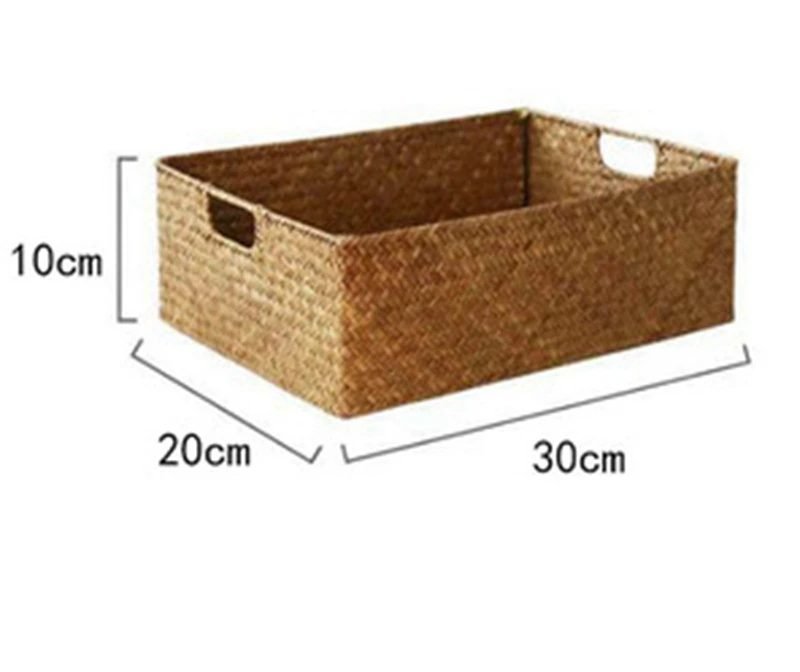
Good at: looking warm and textured in a living room or bedroom, hiding clutter without looking like storage, and lasting for years in normal conditions.
Bad at: damp. It is plant material, so a steamy bathroom or a garage will shorten its life considerably, and it cannot be washed.
Buy it for: living rooms, bedrooms, hallways, and shelves in dry rooms. A seagrass shelf basket is the typical case, and the seagrass range has more.
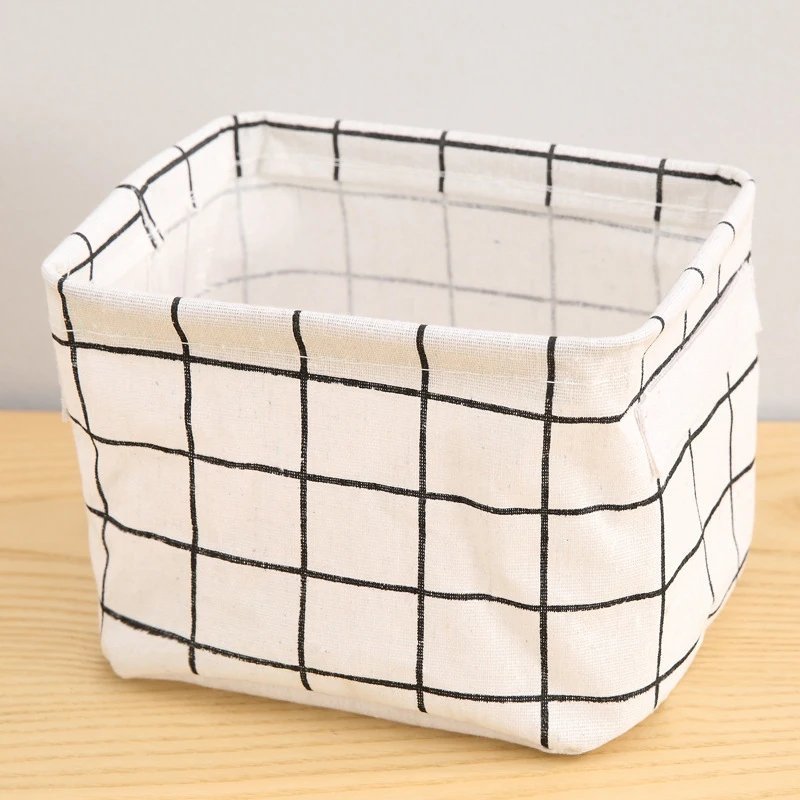
Fabric and woven fabric
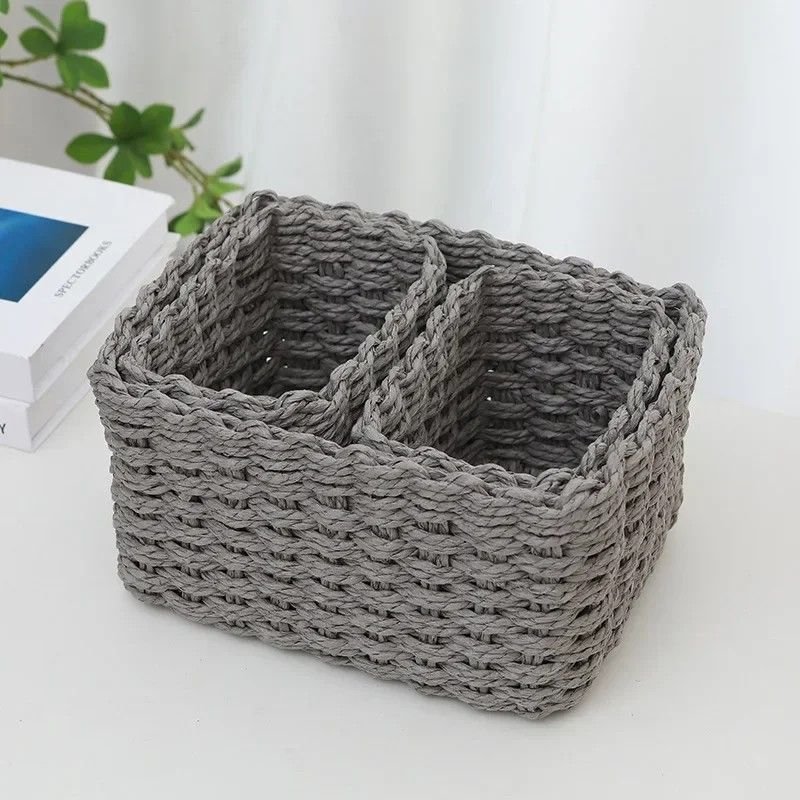
Good at: being light, soft-sided and cheap, folding flat when not in use, and fitting cube shelving neatly.
Bad at: holding a shape when heavily loaded. A soft basket full of books slumps and stops stacking.
Buy it for: wardrobe shelves, cube units, clothes, linen and toys. A fabric basket is the workhorse of this category - see fabric and woven.
Wire and metal
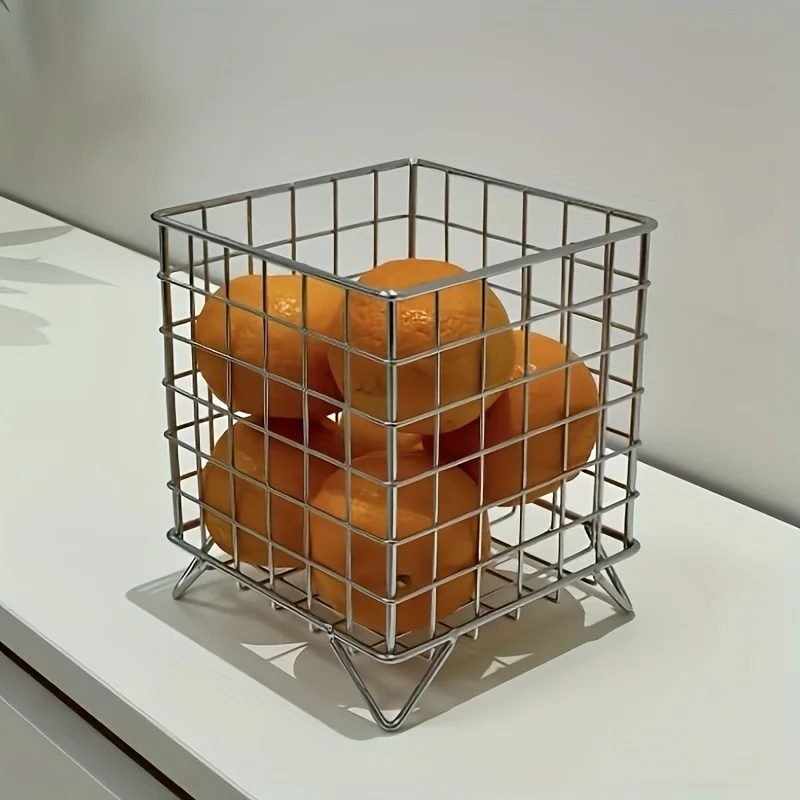
Good at: strength, airflow and damp. It holds heavy things, lets air move around the contents, and does not care about moisture.
Bad at: hiding anything. Everything inside a wire basket is visible, which is a virtue in a kitchen and a problem in a living room.
Buy it for: kitchens, fruit and veg, worktops, utility rooms. A wire worktop basket and the wire range cover it.
Plastic
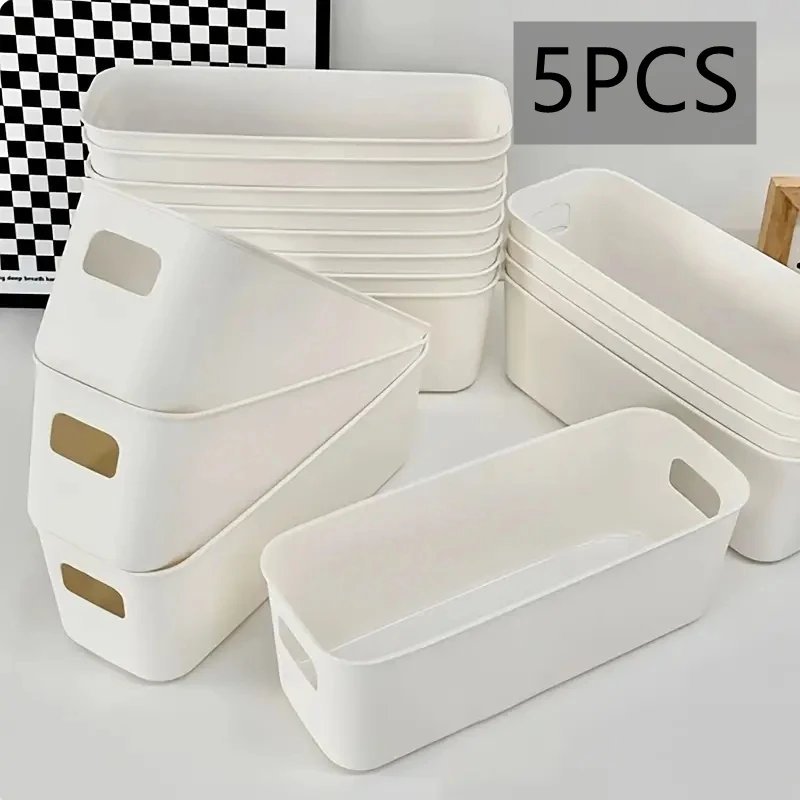
Good at: wiping clean, coping with wet, costing very little, and stacking reliably.
Bad at: looking like anything other than plastic, which is fine in the places it belongs.
Buy it for: garages, utility rooms, under sinks, cleaning supplies, anything that might leak. The plastic range is where to look, and slim sets suit narrow gaps.
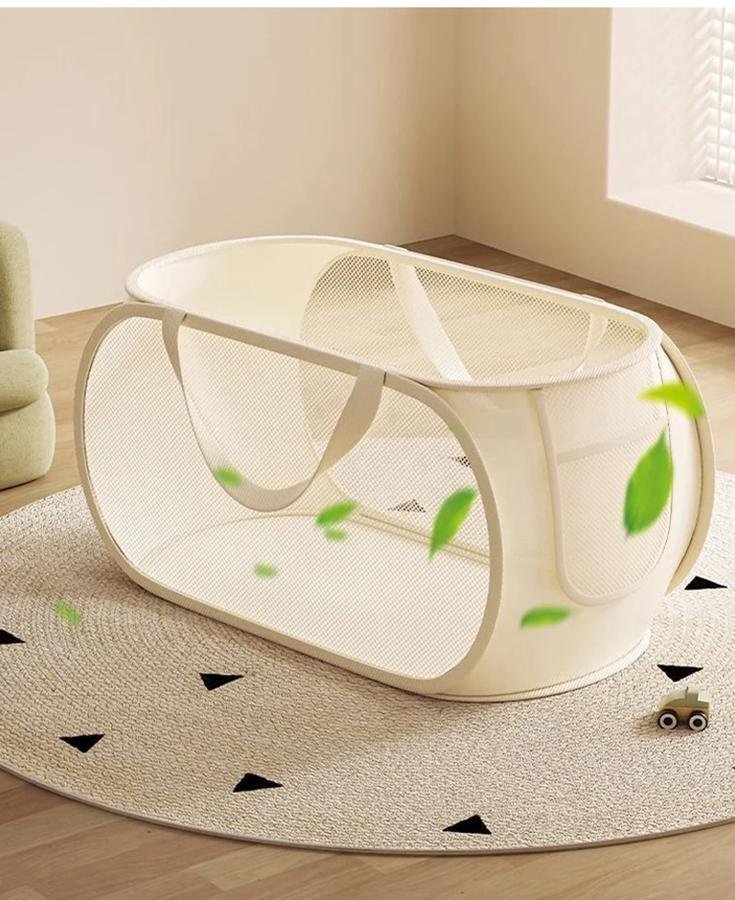
Mesh and pop-up
Good at: airflow and folding away to nothing. Ideal for laundry, where damp fabric needs to breathe.
Bad at: looking permanent, and holding a shape when empty.
Buy it for: laundry and anything that moves around the house. A mesh pop-up basket is the type, and the laundry range has more.
The frequency question
The part people skip, and it decides more than the material does.
If you use the contents daily, the basket must be open and reachable. Anything with a lid, on a high shelf, or behind something else will lose to the floor within a fortnight.
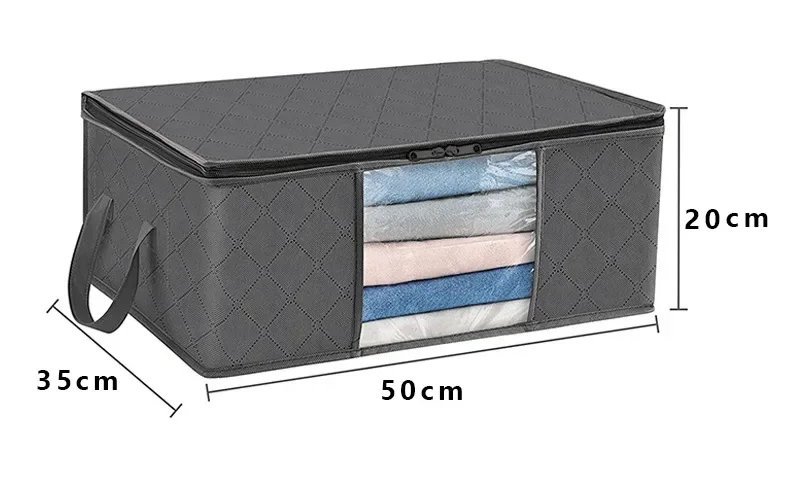
If you use it twice a year, put it in a lidded box on the top shelf and label it. The lidded baskets guide covers that split.
A quick way to decide
| Room | Sensible choice |
|---|---|
| Living room | Natural fibre or fabric, open, large |
| Bedroom / wardrobe | Fabric, plus flat boxes under the bed |
| Bathroom | Plastic or wire, or fabric you can wash |
| Kitchen | Wire for airflow, plastic under the sink |
| Kids' room | Fabric or light plastic, open, low down |
| Garage / utility | Plastic, every time |
The room-by-room guide goes through each properly, and the sizing guide covers how big to go.
What about lined baskets?
A liner is worth having on anything holding clothes, bedding or knitwear.
It stops loose strand ends catching on wool, makes the basket far easier to empty, and can be taken out and washed - which natural fibre itself cannot. It also softens the look, which suits a bedroom more than a kitchen.
Where you do not want one is anywhere that needs airflow. A lined basket is effectively a sealed one, so it is the wrong choice for laundry or for anything that might go in damp - the laundry and wardrobe guide covers why airflow matters there.
Buying in sets
One practical point that cuts across every material.
Sets are almost always cheaper per basket than singles, and matching baskets look considerably better than a mix. So if you need more than one, buy the set even if you only need three of the four - the spare will find a use within a month.
It also means you can replace like with like later, which a one-off purchase rarely allows.
Browse the full range, fabric and woven and wire and metal.
The short version
- Choose by room and frequency of use first; how it looks is the fourth question.
- Natural fibre suits dry living areas and will not survive a steamy bathroom.
- Fabric is light and cheap but slumps under heavy contents like books.
- Wire handles damp and weight but hides nothing - a virtue in a kitchen.
- Anything you use daily must be open and reachable, or it loses to the floor.
Frequently asked questions
What is the best material for storage baskets?
There is no single best - it depends on the room. Natural fibre suits dry living areas, fabric suits wardrobes and cube shelving, wire suits kitchens and damp spaces, and plastic suits garages and anything that might get wet.
Can I use a seagrass basket in a bathroom?
Only in a bathroom that airs properly. Seagrass and rattan are plant material, so constant steam shortens their life considerably and they cannot be washed. Plastic, wire or washable fabric is the safer choice there.
Why does my fabric basket slump?
Because fabric baskets are soft-sided and were never designed to hold heavy contents. Books, tools and tinned goods all defeat them. Use fabric for clothes, linen and toys, and something rigid for anything heavy.
Are wire baskets good for storage?
Very, where you do not need to hide the contents. They are strong, let air move around what is inside, and are unaffected by damp, which makes them ideal for kitchens, fruit and vegetables, and utility rooms.
How does how often I use something affect the basket?
More than the material does. Anything used daily needs an open, reachable basket, because a lid or a high shelf means it ends up on the floor instead. Save lidded boxes for things you reach for once or twice a year.